
















9ABZ = 100 × E^0.35 × B^0.30 × T^0.20 × H^0.15

The 9ABZ algorithm
The proposed index combines the four pillar utilities through a weighted geometric calculation:
9ABZ = 100 × E^0.35 × B^0.30 × T^0.20 × H^0.15
E represents elasticity and dermal structure, B barrier integrity, T tolerance and recovery, and H hydration. Each pillar utility ranges from zero to one. Multiplying the combined value by 100 expresses the index on a zero-to-100 scale.
Each pillar is itself a weighted geometric combination of seven parameter utilities. The within-pillar shares sum to 100%. Multiplying a parameter’s share by its pillar allocation gives its overall weight. For example, R7 receives 30% of the elasticity allocation: 30% of 35% produces its 10.5% overall share.
The geometric structure limits how far a strong result in one function can compensate for weakness in another, compared with an arithmetic average. We retain the individual pillar profiles alongside the combined index so that the pattern remains visible. Composite-indicator methodology also calls for testing how results change under plausible alternative weights. [3]
These percentages are predefined from clinical outcomes. The index was created after population validation and independent regional comparisons.
Before a region can receive a comparable score, its measurements need common definitions and independently specified healthy references. A pH value, an ultrasound measurement and a recovery time each require their own interpretation. Age, sex, skin phototype, measurement site, device settings and season must also be handled through prespecified comparison rules.
9ABZ therefore begins with evidence organization. It records what was measured, in whom, where and under which conditions. Compatible observations can then be mapped to the relevant parameter and assessed against its reference. The weighted calculation follows that work. Repeated measurements and comparisons with other regions test whether a regional pattern persists.
From Tuscany to a wider world of skin research
The Mediterranean is an important part of our geographical perspective. Our programme also looks toward arid forests, tropical plant diversity, geothermal landscapes and northern marine environments. Each setting offers a different set of questions about exposure, adaptation and ingredients.
A background context panel covering 106 countries gives the programme a broader environmental and health frame. Climate, ultraviolet exposure, pollution, skincare practices and diet help describe the conditions in which skin functions. Local botanical identity, purity and availability inform ingredient qualification. Resident skin measurements remain the outcomes against which geographical hypotheses must be tested.
Allergy history, existing skin conditions, product use and access to dermatological care also belong in that context. They help explain differences between study populations and the way skin outcomes are recorded. 9ABZ keeps these influences connected to the research question, with clinical datasets interpreted according to the people they include.
Tuscany and the focus on skin comfort
Tuscany connects our Italian perspective with a research interest in lipid balance and skin comfort. Oat leaf and lavender extracts are the botanical associations in this part of our programme. We examine the particular material, its composition and its role within a formulation. Tuscany’s place in our story comes from that focused investigation; the order of the nine regions expresses the programme’s structure rather than a numerical league table.
The Peloponnese and botanical balance
The Peloponnese brings mastic gum, tangerine extract and cottonseed oil into our research selection. They direct attention toward texture, lipids and the balance between moisture and sebum. A supplier-authored report on a formulated Chios-mastic active describes human elasticity and density findings. [4] The tested preparation and its Chios connection remain attached to that evidence as we consider the broader ingredient rationale.
The Argan Forest and lipid research
Argan oil gives this region a particularly relevant connection to human skin-function research. Studies in 60 postmenopausal women examined elasticity and, in a related report, hydration and water loss over 60 days. [5,6] Those observations inform our interest in argan preparations. Their treatment conditions guide the questions for formulation work, while regional resident aging remains a separate question.
The Amazon Rainforest and emollient diversity
The Amazon research selection brings together plant oils, extracts and butters, including açaí, babassu and cupuaçu. This diversity invites close study of emollience, composition and formulation behaviour. A small human study of a particular babassu formulation provides additional hydration evidence. [7] Species identity, processing and concentration determine whether findings can be transferred to a different material.
Redlands and pistachio ingredients
Redlands connects the programme with pistachio oil and extract. Our research focus is the qualification of these botanical materials and their potential place within a skin-function-led formulation. Nutrient composition can help generate a hypothesis; skin testing establishes what a particular preparation does. That sequence keeps ingredient selection connected to a measurable purpose.
Hveragerði and geothermal formulation questions
Hveragerði introduces Icelandic water and an algae blend into our geographical story. The formulation questions concern composition, consistency and compatibility. Water and marine materials require careful specification, including relevant mineral and contaminant testing. Their geographical association offers a research direction; material qualification determines their suitability for a finished formula.
Lyngen and Laminaria hyperborea
Lyngen is associated with Laminaria hyperborea in our programme. A 2026 company-involved study tested a 0.03% extract preparation in 37 women over 56 days. Wrinkle-count changes were -9.8% in the active group and -4.3% with placebo, relative to their respective baselines. [8] This gives the ingredient a specific human efficacy signal to investigate, with the preparation and imaging outcomes clearly defined.
The Himalayan Valley and botanical response research
The Himalayan Valley brings green tea and sea buckthorn fruit extracts into our selection. These botanical families invite investigation of composition and their behaviour within topical formulations. Published studies of oral green-tea preparations have produced mixed UV-response findings. [9,10] Route, preparation and dose therefore remain central when designing research around the ingredients used in skincare.
Shizuoka and botanical precision
Shizuoka brings together botanical associations including ume, rosehip and peach leaf. Our focus is the precise identity and composition of each extract or oil, followed by its compatibility with the intended formulation. This makes botanical diversity useful through a defined research question: which material, at which concentration, contributes to the skin function we intend to study?
Connecting regional research with a daily skincare ritual
An ingredient’s place in a formula depends on more than its name. Plant part, extraction method, standardization and stability influence the material being tested. Concentration and delivery influence exposure. The complete formula determines how that ingredient sits alongside everything else applied to the skin.
This is where 9ABZ gives our ingredient research a practical direction. The four pillars define the functions we want to understand. Regional investigation generates candidates. Material qualification and formulation work establish the preparation to evaluate. Testing then measures the response under stated conditions.
A finished-product hydration result describes that product under its study protocol. An ingredient trial describes its tested preparation. A regional study concerns its actual participants. Keeping these relationships clear allows the research to become more useful as evidence grows.
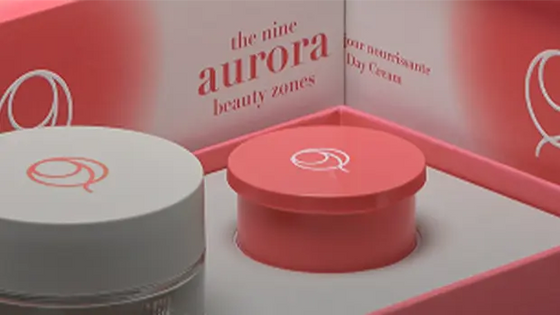
The Nine Aurora brings this perspective into a daily approach to skincare, with sustained attention to water balance, protective function, mechanical behaviour and recovery. 9ABZ gives that ambition a defined set of questions and a structure for answering them.
The 28 parameter allocations
Current 9ABZ design allocations. These shares define the research index and are not estimated percentages of skin aging explained.
|
ID |
Parameter |
Overall weight |
|
WH01 |
Corneometry |
3% |
|
WH02 |
Tissue dielectric constant |
0.75% |
|
WH03 |
Raman water gradient |
2.25% |
|
WH04 |
Natural moisturizing factors |
2.25% |
|
WH05 |
Desquamation |
1.5% |
|
WH06 |
Dry-environment challenge |
2.25% |
|
WH07 |
Hydration-recovery slope |
3% |
|
WB01 |
Baseline TEWL |
4.5% |
|
WB02 |
Challenge ΔTEWL |
9% |
|
WB03 |
Barrier-recovery half-time |
6% |
|
WB04 |
Electrical impedance |
1.5% |
|
WB05 |
Surface pH |
1.5% |
|
WB06 |
Ceramide & lipid organization |
4.5% |
|
WB07 |
Corneocyte cohesion |
3% |
|
WE01 |
Cutometer R0 |
1.75% |
|
WE02 |
R2 |
8.75% |
|
WE03 |
R5 |
1.75% |
|
WE04 |
R6 |
3.5% |
|
WE05 |
R7 |
10.5% |
|
WE06 |
R9 fatigue |
1.75% |
|
WE07 |
Dermal ultrasound and thickness & density |
7% |
|
WT01 |
Baseline erythema |
1% |
|
WT02 |
Challenge Δerythema |
3% |
|
WT03 |
Erythema-recovery half-time |
5% |
|
WT04 |
Microvascular reactivity |
4% |
|
WT05 |
Standardized stinging response |
1% |
|
WT06 |
Temperature recovery |
2% |
|
WT07 |
Inflammatory markers and tape samples |
4% |
Scientific references
[1] Roessle and Kerscher. Objectification of Skin Firmness. Human study of 300 women, 2025.
https://doi.org/10.1111/jocd.16773
[2] Ghadially et al. The aged epidermal permeability barrier, 1995.
https://doi.org/10.1172/JCI117919
[3] OECD and European Commission Joint Research Centre. Handbook on Constructing Composite Indicators, 2008.
https://doi.org/10.1787/9789264043466-en
[4] Boenzli, Mibelle Biochemistry. Chios-mastic clinical and laboratory report. HPC Today, 2025.
[5] Boucetta et al. Dietary and cosmetic argan oil and postmenopausal skin elasticity, 2015.
https://doi.org/10.2147/CIA.S71684
[6] Boucetta et al. Argan oil and postmenopausal skin hydration, 2014.
https://doi.org/10.5114/pm.2014.46470
[7] Vieira et al. In vivo moisturizing evaluation of babassu formulations, 2017.
https://doi.org/10.19277/bbr.14.2.163
[8] De Tollenaere et al. Seaweed-derived extract and visible signs of skin aging, 2026.
https://doi.org/10.3390/md24060220
[9] Heinrich et al. Green-tea polyphenols and skin properties, 2011.
https://doi.org/10.3945/jn.110.136465
[10] Farrar et al. Green-tea catechins and UV-induced cutaneous inflammation, 2015.
https://doi.org/10.3945/ajcn.115.107995


