











Tuscany - Italy
Lipid balance and skin comfort — skin that ages gradually, with preserved softness and elasticity.
Sign in to see your orders, refills and favorites — or create your account in seconds.
One account for orders, subscriptions and rewards.

 Bestsellers
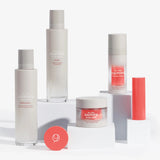 Day Ritual
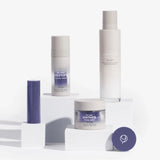 Night Ritual
 Eye + Targeted Care
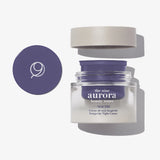 Refills
Shop all skincare
Refills
Shop all skincare
 Skin AIPersonalized guidance for your skincare ritual.


 Skin AI
Find the right skincare for your skin.
Complete a guided skin analysis and receive personalized product recommendations based on your visible skin priorities.
Find my skincare MyTheNineAurora Rewards
Rewards for every ritual.
Discover MyTheNineAurora rewards, member experiences and benefits.
Join the rewards program Clinical Results
Skin before and after: real results from a 12-week clinical study
Unretouched photography of the same skin at week 0 and week 12, product by product.
See the results Approach
Our Research
Our research approach and the scientific results behind our formulas.
Explore our scientific results Skin longevity research
The Nine Skin Longevity Zones
Nine regions of the world that shaped our approach to skin longevity.
Explore the nine zones Science and nature
Ingredients
The ingredients behind every formula, and why they were chosen.
Explore our ingredients Long-term approach
Sustainability
Refillable design and responsible choices.
Discover refillable skincare The Nine Aurora brand
Our Story
The journey from the nine skin longevity zones to a refined daily ritual.
Discover our story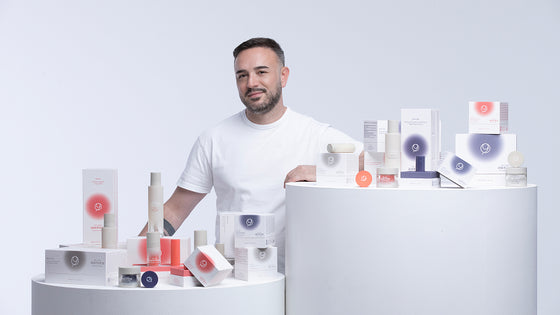 Founder of The Nine Aurora
Our Founder
Meet Mattia Miglio and the vision behind The Nine Aurora.
Meet our founder Media and collaborations
Press & Creators
Media features and creator collaborations.
See press & creatorsLipid balance and skin comfort — skin that ages gradually, with preserved softness and elasticity.
Clarity and balance — refined texture, balanced sebum and microbiological harmony.
Lipid resilience and barrier protection under sun, wind and arid air.
Deep nourishment — exceptional moisture retention, suppleness and lipid balance.
Nutrient density and structural support — firmness and long-term skin strength.
Mineral resilience and hydration stability, shaped by geothermal waters.
Cold-adapted defense and renewal from pristine arctic seas.
Purity-driven repair and antioxidant defense at high altitude.
Botanical precision and barrier harmony — clarity, resilience, luminosity.
A Skin Longevity Zone is a region where resident skin measurably stays younger for longer: hydration, barrier, elasticity and recovery stay in balance, decline more slowly with age, and hold steady across seasons.1
Skin here holds its water, springs back, and stays calm under stress — year after year.2 We call them Aurora: zones of transition in skin health. These are the top nine regions in the world.
Four pillars, seven measurements each — the 28 parameters of skin longevity. Touch a circle to see what is measured.
Pillar 01 · seven of the 28 parameters
Water content — and the ability to restore it after stress. Seven measurements read how much water skin holds and how fast it rebalances, including a controlled dry-air challenge, because recovery tells us more than any single resting number.
Longevity looks like: hydration favourable for your age — restored quickly after environmental stress.
Pillar 02 · seven of the 28 parameters
Control of water loss — and the speed of rebuilding after disruption. The barrier is measured at rest, under challenge and through recovery: a good resting number alone proves little, because water loss has no universal “normal” and varies by body site.3
Longevity looks like: controlled water loss, smaller deterioration under challenge, faster barrier recovery.
Pillar 03 · seven of the 28 parameters
Resistance to deformation — and the spring back to original shape. A precision probe stretches the skin and times its return; ultrasound reads the thickness and density of the dermis beneath. R2, R5 and R7 rank among the most reliable age-related indicators of skin mechanics.4
Longevity looks like: better bounce-back and lower mechanical fatigue for your age — declining more slowly than the matched reference.
Pillar 04 · seven of the 28 parameters
The response to everyday chemical, environmental and mechanical stress. “Sensitive skin” has no single objective marker, so tolerance is read across barrier, vascular and sensory responses together5 — the reaction to a normally tolerable stress, then the return to calm, timed.
Longevity looks like: a smaller reaction, a faster return to calm, and stable function without persistent discomfort.
From the Redlands of California to Shizuoka in Japan — the nine regions our research follows, together on one world.
Keep scrolling — visit each of the nine zones below.
Lipid balance and skin comfort — skin that ages gradually, with preserved softness and elasticity.
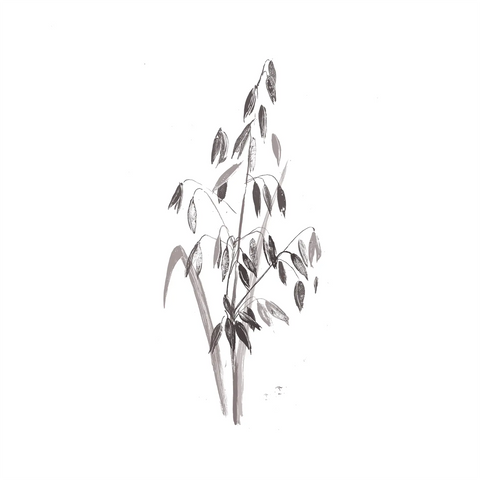
It is a natural ingredient derived from the fermentation of oats, known for its soothing and regenerating properties on the skin. This active ingredient helps maintain skin balance, reducing irritation and improving skin hydration. Thanks to its gentle and respectful action, it helps preserve the skin's natural protective barrier, leaving the skin looking healthy, soft, and comfortable.
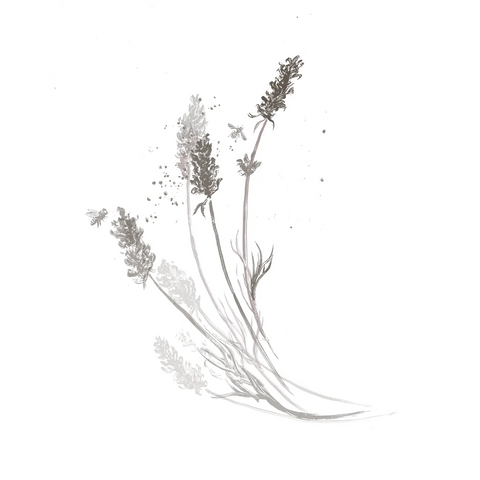
Lavandula Angustifolia Extract, extracted from lavender plants grown in Italy, is known for its soothing and rebalancing properties. Rich in natural aromatic compounds, it helps improve skin comfort, promoting a soothing effect on the skin. It helps give a feeling of well-being and freshness, leaving skin looking healthy and relaxed.
Clarity and balance — refined texture, balanced sebum and microbiological harmony.
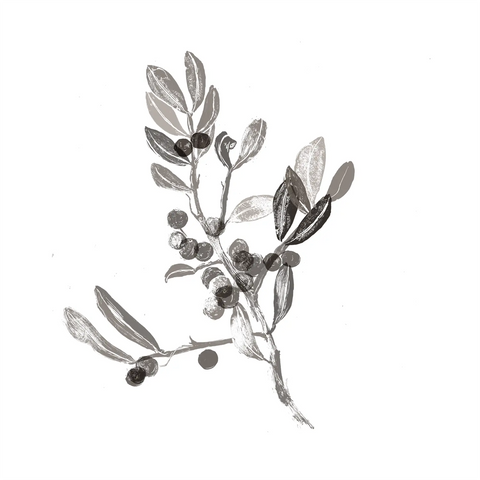
Derived from the precious resin of Chios mastic, Pistacia Lentiscus (Mastic) Gum is a plant-based smoothing and rebalancing active that helps skin look firmer, more refined and more even. It helps to visibly improve skin elasticity, smooth skin texture, and reduce the appearance of pores, imperfections, and expression lines. Thanks to its rebalancing and perfecting action, it is particularly suitable for anti-aging formulations and for blemish-prone skin. Stable and well tolerated on the skin, it contributes to a firmer, smoother, and more even-looking complexion.
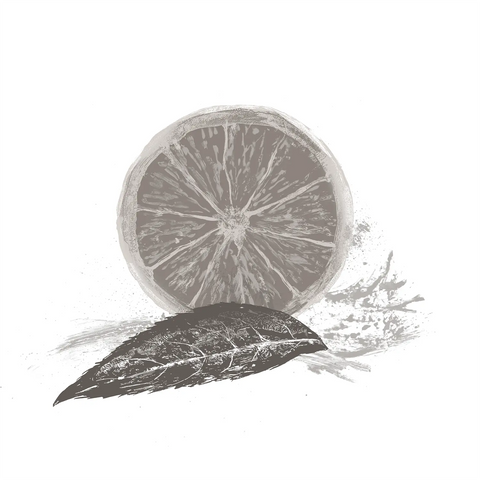
Extracted from the prized Chios mandarin, grown in historic Greek citrus groves and recovered through a sustainable upcycling process, this natural ingredient has a soothing and anti-inflammaging action. It helps reduce redness and visible signs of irritation, while improving skin firmness and elasticity. Rich in antioxidants and active against chronic inflammatory stress, it promotes collagen production and combats the signs of aging. Ideal for sensitive, dull, or mature skin, it gives a more even, relaxed, and radiant appearance.
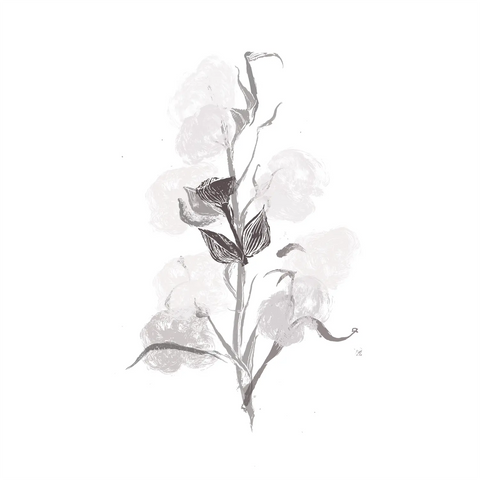
Cotton seed oil (Gossypium Herbaceum Seed Oil) is a versatile natural ingredient, rich in linoleic acid and antioxidants. It helps protect the skin barrier, improving skin elasticity and firmness and helping to reduce the appearance of fine lines. Its emollient and moisturizing properties leave the skin soft and silky, while its soothing action helps calm irritation and redness. Lightweight and quickly absorbed, it leaves the skin soft and nourished without feeling greasy.
Lipid resilience and barrier protection under sun, wind and arid air.
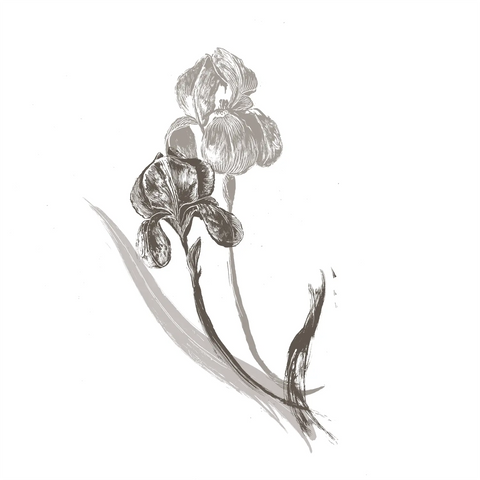
Extracted from the root of Iris Florentina, this ingredient is known for its smoothing and toning properties. It helps improve the appearance of the skin, giving it a more compact and uniform look. Traditionally valued for its rebalancing action, it is ideal for anti-aging treatments that aim to preserve the radiance and freshness of the complexion.
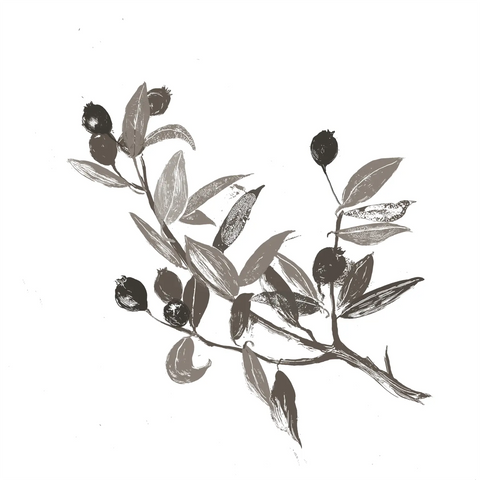
It is an extract obtained from the leaves of Myrtus communis, commonly known as myrtle, an evergreen Mediterranean plant prized for its traditional beneficial properties. Thanks to its properties, it helps maintain healthy and natural-looking skin, contributing to reducing the visibility of slight signs of skin aging.
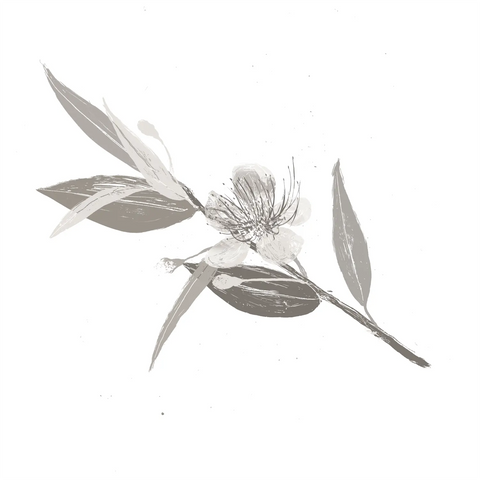
It is a natural extract obtained from the leaves of Myrtus communis, a Mediterranean plant traditionally valued for its soothing and antioxidant properties. This active ingredient supports skin wellness, helping to reduce feelings of irritation and promoting optimal hydration. Thanks to its balancing action, it helps keep skin looking healthy, fresh, and regenerated, providing a feeling of comfort and daily protection.
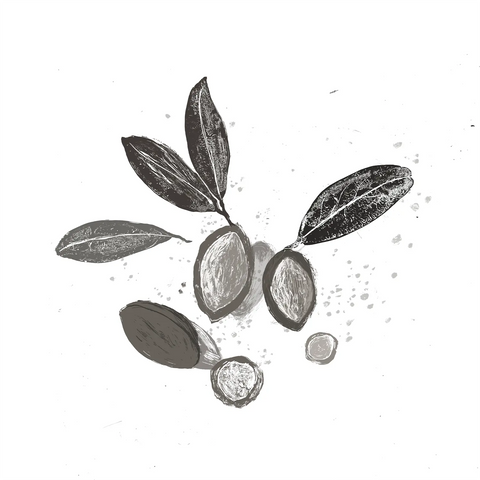
Argania Spinosa Kernel Oil, known as Argan oil, is a precious oil obtained from the seeds of the Argan tree native to Morocco. Rich in essential fatty acids, vitamin E, and phytosterols, this active ingredient intensely nourishes the skin, helping to improve its elasticity and combat dryness. Its emollient and protective action helps keep the skin soft, smooth, and visibly more radiant.
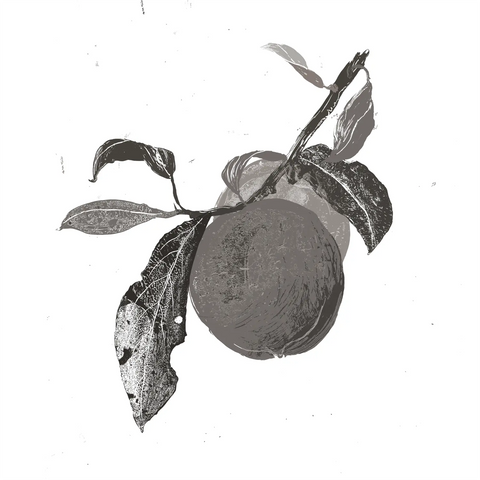
Prunus Persica (Peach) Leaf Extract is an extract from peach leaves rich in α-glucans, capable of stimulating the natural mechanisms of skin regeneration. It promotes cell vitality, improves the skin's ability to renew itself, and helps to visibly reduce the signs of aging.
Deep nourishment — exceptional moisture retention, suppleness and lipid balance.
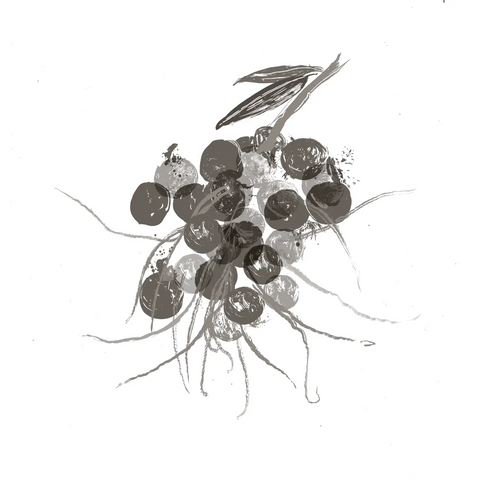
It is a natural ingredient rich in anthocyanins, known for their antioxidant properties. It helps protect the skin from the visible signs of daily oxidative stress, contributing to maintaining a healthy and vital appearance. Sourced from sustainable crops, it allows for complete use of the raw material, in line with the principles of the circular economy.
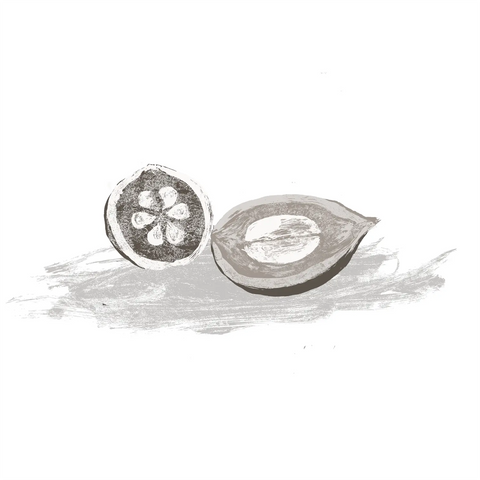
A vegetable oil obtained from the seeds of the Babaçu palm, Orbignya oleifera Seed Oil is a 100% natural ingredient and represents a sustainable alternative to traditional tropical oils. Rich in lauric acid, it has an emollient function, helping to improve the skin's softness. Babaçu oil is also sourced responsibly, promoting the socio-economic development of local communities, particularly the empowerment of female harvesters ("Quebradeiras").
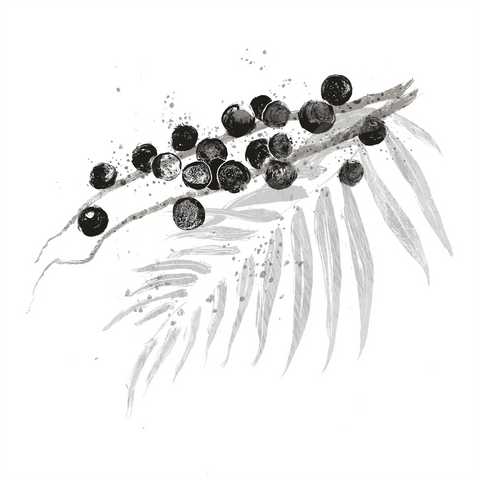
Extracted from the fruits of Euterpe oleracea, açaí oil is a natural ingredient that combines sensory performance and functionality. Rich in essential fatty acids and tocopherols, it has an immediate emollient effect, helping to improve skin elasticity and strengthen the barrier function. Derived from responsible supply chains, it supports a formulation approach that is mindful of the environment and biodiversity.

Extracted from the seeds of Astrocaryum murumuru, harvested along the banks of the Amazon, Murumuru Butter is a plant-based ingredient rich in lauric acid and other nourishing fatty acids, such as oleic and myristic acids. Thanks to its composition, it forms a protective barrier on the skin, helping to reduce moisture loss and maintain a soft, smooth, and supple appearance. Its melting texture leaves the skin silky and non-greasy.
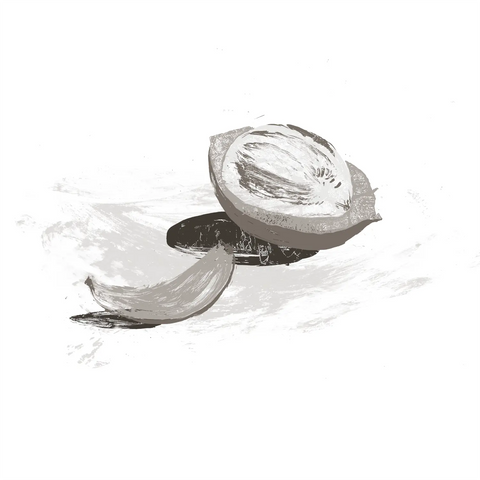
Derived from the seeds of the Amazonian fruit Astrocaryum vulgare, Tucumã Butter offers a light and smooth texture that mimics the sensory effect of silicones, improving product distribution and leaving the skin soft and smooth. Composed of natural lipids with high skin affinity, it is suitable for formulations that require a silky, non-occlusive effect, representing a 100% natural and sustainable choice.
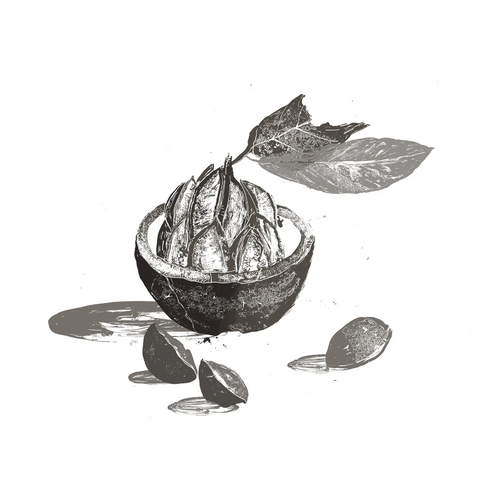
Derived from Bertholletia Excelsa seeds harvested responsibly by Amazonian communities, this vegetable oil is known for its skin-like lipid content, which helps strengthen the skin barrier. Its inclusion in cosmetic formulations promotes more resistant skin that is less prone to dehydration. Coming from upcycling and zero-waste processes, it represents a conscious choice for formulations geared towards environmental sustainability and respect for local resources.
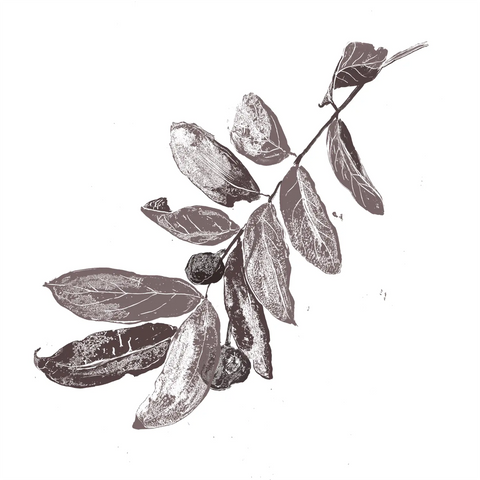
Extracted from the seeds of Carapa Guianensis and sustainably harvested by Amazonian communities, Andiroba oil is a 100% natural ingredient known for its soothing and moisturizing properties, ideal for sensitive or reactive skin care. Its rich fatty acid composition helps maintain skin hydration and reduce discomfort, while supporting the well-being of the skin barrier. It is also a responsible choice: its use promotes biodiversity conservation and the circular economy, adding value to every stage of the supply chain through ethical and traceable harvesting practices.
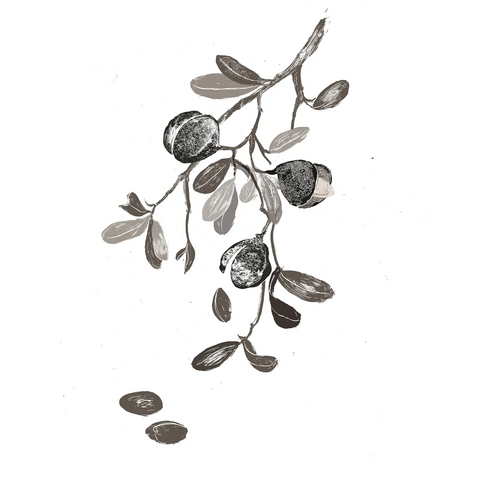
Copaiba Oil – extracted from primary forests with a high essential oil content, known for its soothing and purifying properties. Its action helps promote skin comfort and maintain skin balance, while responsible harvesting supports biodiversity conservation and the protection of Amazonian forest ecosystems.
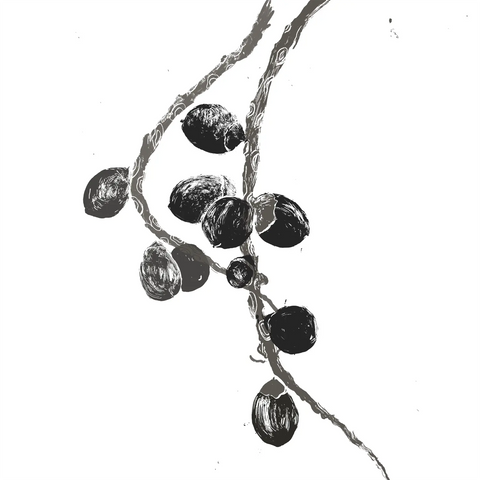
An ingredient of Amazonian origin, rich in fatty acids, particularly omega 9, Patauá oil helps improve skin hydration and keep the skin soft and supple. Thanks to its light and silky texture, it is recommended for comforting the skin, even in cases where it appears dry or dehydrated. Regular application helps improve the overall appearance of the skin, leaving it visibly smoother and nourished.
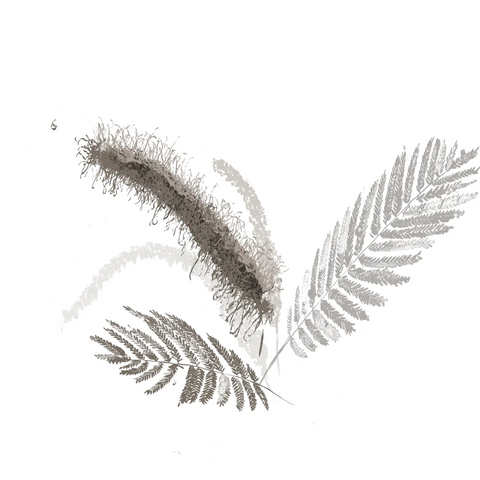
Extracted from the seeds of the Pentaclethra macroloba tree, native to the Brazilian rainforest, this vegetable oil is naturally rich in long-chain fatty acids. Used in skin treatments, it helps improve the appearance of the skin, promoting a smoothing and evening effect. Its emollient action helps maintain skin elasticity, leaving the skin softer, firmer, and more hydrated.
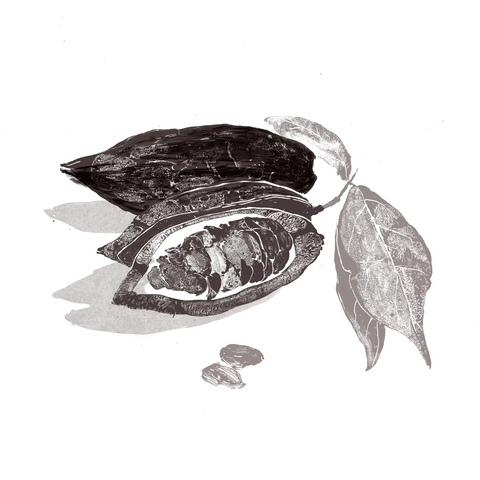
Cocoa butter is obtained from Theobroma cacao seeds grown in sustainable agroforestry systems in the Amazon. Appreciated for its emollient and conditioning properties, it helps keep the skin soft, smooth, and protected, contributing to the formation of a barrier that reduces moisture loss. The use of the seeds, which would otherwise go unused in the chocolate supply chain, enhances local resources and supports the region's farming communities.
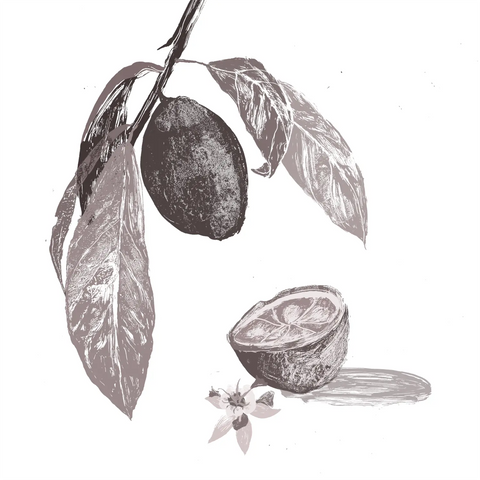
Cupuaçu butter strengthens the skin barrier, improving elasticity and comfort with deep, long-lasting hydration. Thanks to its exceptional ability to retain water, it restores the proper hydrolipidic balance of dry and dehydrated skin. Its emollient and nourishing action helps to make the skin softer, smoother, and more protected from external aggressions. Sourced from sustainable agroforestry practices, it supports the regeneration of the Amazon rainforest and the well-being of local communities.

Buriti fruit oil (Mauritia Flexuosa Fruit Oil) is a natural ingredient rich in beta-carotene and tocopherols, known for its antioxidant action that helps counteract the effects of oxidative stress. It intensely moisturizes the skin and helps maintain its natural balance, making it ideal for after-sun formulas and treatments for delicate or reactive skin. It helps improve the appearance of the complexion, giving it radiance and comfort. Sourced from sustainable harvesting in Brazil, it supports local communities and promotes the socio-economic development of the region.
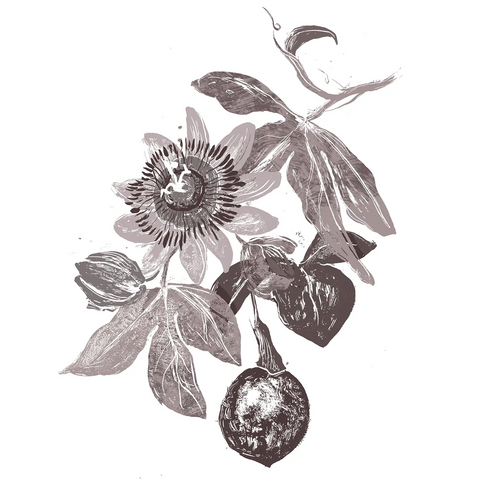
Passiflora edulis seed oil, known as passion fruit oil, is a light and soothing active ingredient, ideal for combination and blemish-prone skin. Rich in essential fatty acids, it deeply nourishes without weighing down the skin and helps to rebalance sebum production, giving a matte effect and a dry touch. It promotes an immediate feeling of comfort, leaving the skin soft and smooth. Derived from sustainable family farms, it supports local economies during the off-season.
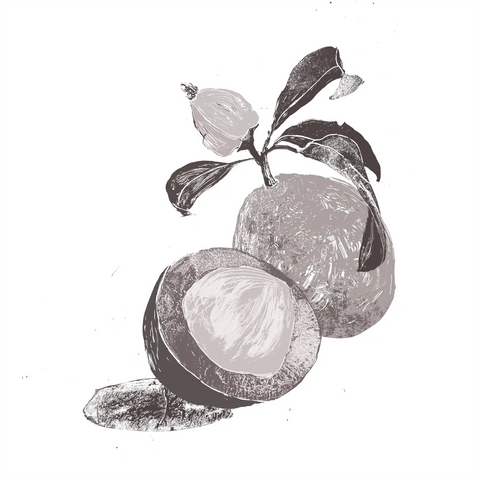
Platonia Insignis butter, known as Bacuri butter, is a natural ingredient extracted from the seeds of the Amazonian bacuri tree. It deeply nourishes mature skin thanks to its essential fatty acids and vitamins, improving elasticity and tone. It intensely moisturizes and forms a protective barrier against external agents. It supports cellular energy, promoting a healthier and more radiant appearance.
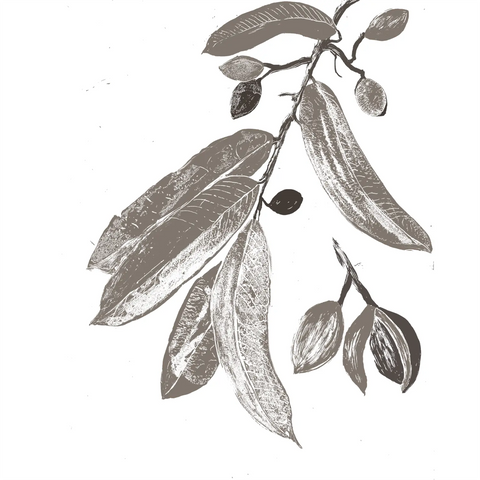
Ucuuba butter, extracted from the seeds of Virola surinamensis in the Amazon rainforest, nourishes and moisturizes the skin, giving it greater density and a matte finish. It supports the repair of the skin barrier and protects against external stressors, combining cosmetic effectiveness and sustainability by respecting the traditional practices of local communities.
Nutrient density and structural support — firmness and long-term skin strength.
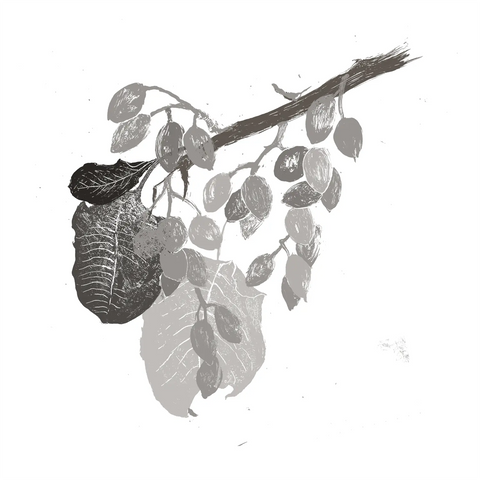
Pistacia Vera Seed Oil, a vegetable oil obtained from pistachio seeds grown in the United States, is rich in essential fatty acids and natural antioxidants. This active ingredient intensely nourishes the skin, helping to improve its elasticity and maintain a soft and smooth appearance. Thanks to its light texture and nutrient-rich profile, it is ideal for dry or stressed skin, providing comfort and a natural glow.
Mineral resilience and hydration stability, shaped by geothermal waters.
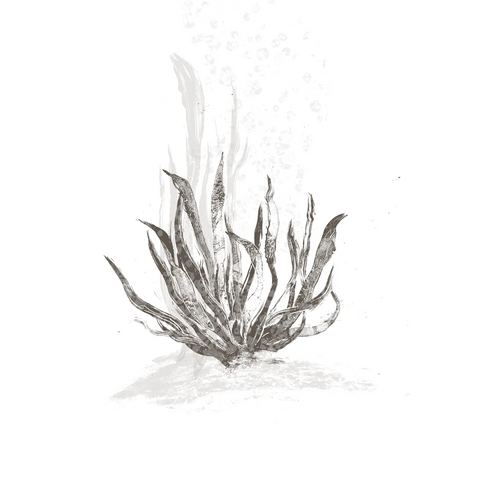
Seaweed and microalgae, combined with extracts of Crithmum maritimum, plankton extract, ascorbyl palmitate, and sunflower seed oil, in a synergistic blend. Algae are known for their polysaccharides, natural antioxidants, and minerals, which protect the skin from oxidative stress and environmental damage, helping to prevent the visible signs of aging. They make the complexion more radiant, even, and firm, thanks to the nourishing and energizing action of intensely functional marine extracts.
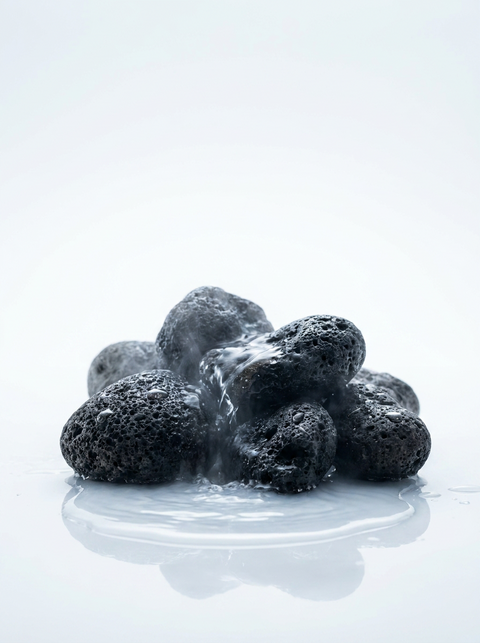
Icelandic water, naturally pure and rich in minerals derived from filtering through volcanic rocks, helps strengthen the skin barrier and protect the skin from external stressors. It moisturizes and soothes, improving the elasticity and mechanical properties of the skin for a healthier and fresher appearance.
Cold-adapted defense and renewal from pristine arctic seas.
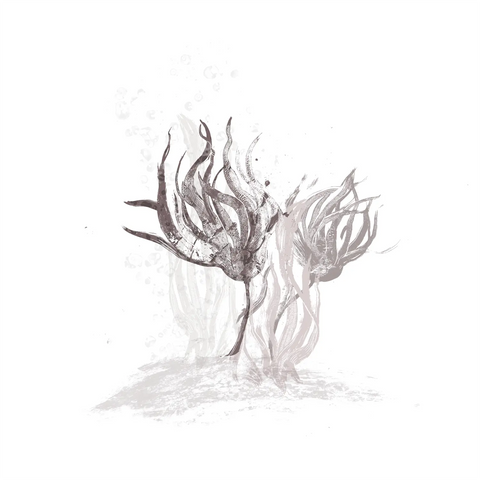
Laminaria borealis (Laminaria hyperborea) seaweed extract, obtained through an innovative cold cryoextraction process that preserves vitamins, minerals, and natural polyphenols. This revitalizing ingredient helps to rebalance and purify the skin, promoting hydration and leaving a feeling of freshness. Rich in polysaccharides and trace elements, it supports skin regeneration and contributes to a more toned and energetic appearance. It gives the skin softness and vitality, while respecting sustainability and responsible harvesting of kelp forests.
Purity-driven repair and antioxidant defense at high altitude.

Camellia Sinensis extract, rich in polyphenols and catechins, has an effective antioxidant action that helps combat damage caused by free radicals. It supports the skin's defense against environmental stressors, such as pollution and external aggressions, helping to preserve the balance of the skin barrier. The skin appears more protected, radiant, and even. Also suitable for sensitive skin, it helps keep it fresh and vital over time.
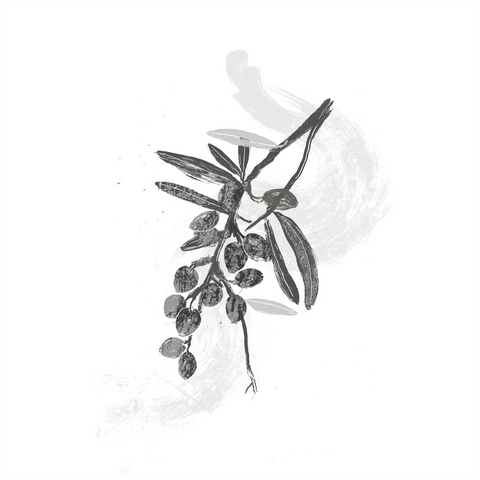
Hippophae Rhamnoides (sea buckthorn) fruit extract is a natural source of vitamins (particularly C and E), essential fatty acids, and antioxidants, which help protect the skin from oxidative stress and external agents. It helps keep the skin hydrated, toned, and visibly brighter, supporting skin regeneration. Thanks to its revitalizing properties, it is ideal for improving the appearance of dull and tired skin.
Botanical precision and barrier harmony — clarity, resilience, luminosity.
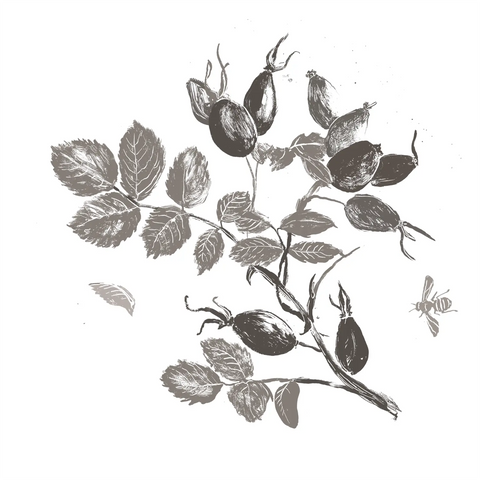
Rosa Canina Fruit Oil is a vegetable oil obtained from rosehip fruits, rich in essential fatty acids and vitamins, particularly pro-vitamin A (carotenoids) and vitamin E. This active ingredient nourishes the skin and helps improve its elasticity, helping to maintain a smooth and even appearance. Thanks to its emollient and regenerating action, it is ideal for dry, dull, or marked skin, providing comfort and a natural glow.
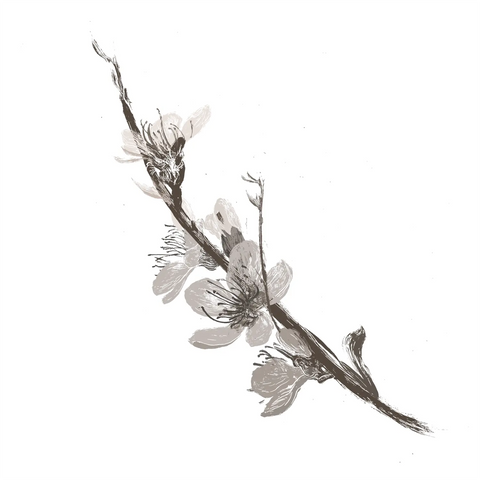
It is a natural extract obtained from the fruit of Prunus Mume (plum), a plant traditionally valued for its antioxidant and regenerating properties. This active ingredient helps protect the skin from oxidative stress and promotes the maintenance of a healthy and radiant appearance. Thanks to its toning and revitalizing action, it helps improve skin structure, giving a feeling of freshness and well-being.
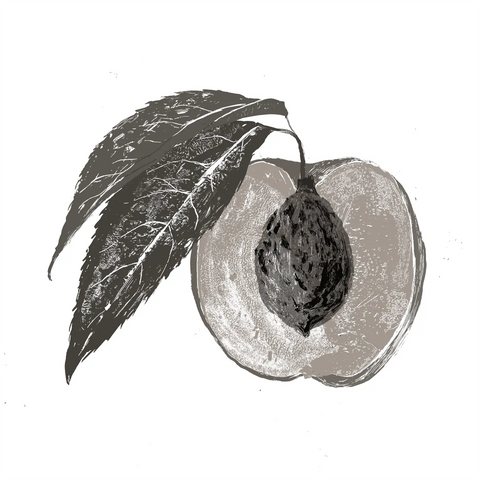
Peach Fruit Extract (Prunus persica) is an extract obtained from peaches, known for its emollient and moisturizing properties. Naturally rich in sugars, vitamins, and antioxidants, it helps keep skin soft, smooth, and visibly brighter. Thanks to its delicate profile, it is particularly suitable for providing comfort and freshness to dry or dull skin.
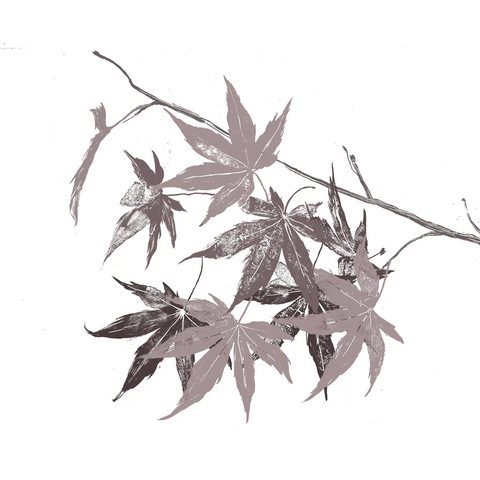
Acer Palmatum Leaf Extract, obtained from the leaves of the Japanese maple, is a botanical ingredient rich in polyphenols and natural antioxidants. It helps defend the skin from oxidative stress and supports its natural balance, promoting elasticity and comfort. Thanks to its gentle, protective profile, it helps preserve a smooth, even and luminous appearance.
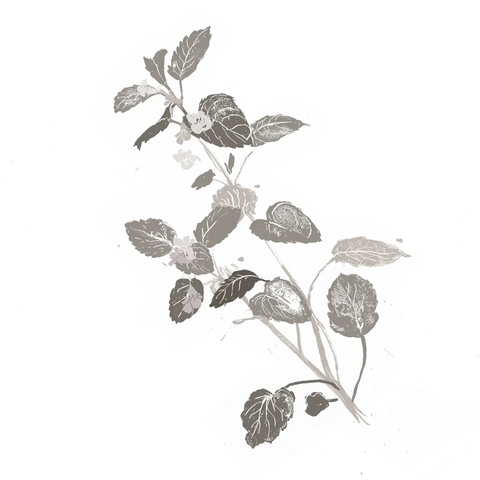
Obtained from the leaves of Melissa officinalis grown in Japan, it is a natural ingredient known for its soothing and rebalancing properties. Rich in polyphenols and aromatic compounds, it helps improve skin comfort, helping to reduce the visibility of stress-related signs. Ideal for sensitive skin or skin prone to redness, it promotes a more even, calm, and radiant appearance.
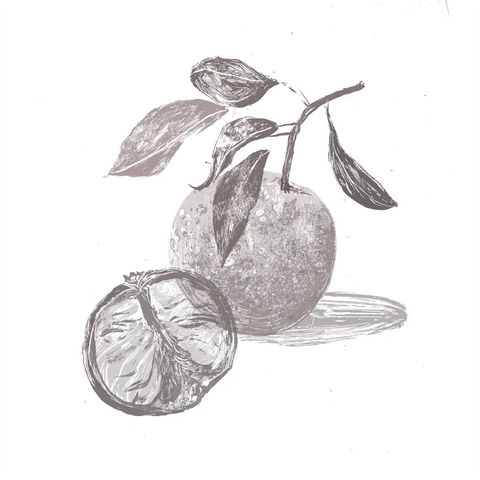
Yuzu Fruit Extract (Citrus junos) is an extract obtained from the fruit of Yuzu, a citrus fruit native to Japan, known for its unique aromatic profile and natural antioxidant content. Rich in vitamin C and flavonoids, this active ingredient helps protect the skin from the visible effects of oxidative stress and improves its radiance. It helps to even out the complexion, giving the skin a fresher, more radiant and vital appearance.
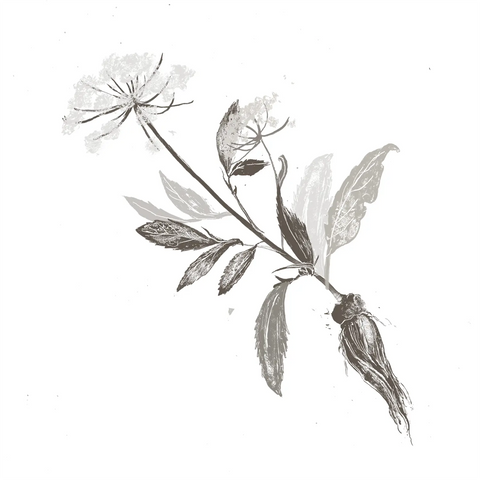
Obtained from Angelica acutiloba, a plant traditionally used in Japanese herbal medicine, this plant extract is known for its anti-blemish cosmetic action. Working at the surface of the skin, the extract helps to visibly reduce the intensity of skin spots and improve the evenness of the complexion. Its cosmetic performance shows in the look of the complexion: with regular use, dark spots appear softer and less defined, and the skin looks clearer, brighter and more uniform in tone.
The journey
Nine regions, nine pages, one system — visit each zone to meet the botanicals that were first understood there.
 Redlands
USA · Explore the zone
Redlands
USA · Explore the zone
 Lyngen
Norway · Explore the zone
Lyngen
Norway · Explore the zone
 Himalayan Valley
Nepal · Explore the zone
Himalayan Valley
Nepal · Explore the zone
 Argan Forest
Morocco · Explore the zone
Argan Forest
Morocco · Explore the zone
 Shizuoka
Japan · Explore the zone
Shizuoka
Japan · Explore the zone
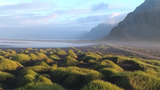
 Tuscany
Explore the zone
Tuscany
Explore the zone
 Hveragerði
Iceland · Explore the zone
Hveragerði
Iceland · Explore the zone
 Peloponnese
Greece · Explore the zone
Peloponnese
Greece · Explore the zone
 Amazon Rainforest
Brazil · Explore the zone
Amazon Rainforest
Brazil · Explore the zone
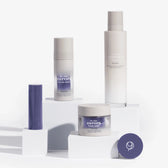
Formulated to support skin longevity
58.00 $
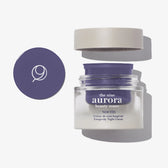
Açaí + seabuckthorn + camellia antioxidant day cream for daily protection
78.00 $
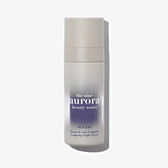
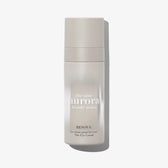
Silky night serum • 65 ingredients • 90% natural origin • nourishing overnight repair
39.00 $
Argan + Brazil Nut + babassu lipid-rich night cleanser for comfort and barrier support
68.00 $
Powerful anti-aging cream overnight with argan oil, babassu, and Brazil nut for deep nourishment and elasticity.
38.00 $
Enzymatic complex + longevity botanicals for gentle, brightening daily cleansing
48.00 $
Kaolin + Japanese yuzu + rosehip brightening mask • 64 refined ingredients for detox, clarity & glow
69.00 $
Açaí + vitamin E brightening eye cream • 61 refined ingredients for dark circles, radiance & firmness
68.00 $
Niacinamide + hyaluronic acid + vitamin C brightening and firming day serum
37.00 $
Hyaluronic acid + Japanese yuzu + prebiotics hydrating & brightening toning mist
58.00 $
Açaí + seabuckthorn + camellia antioxidant day cream for daily protection
78.00 $
Silky night serum • 65 ingredients • 90% natural origin • nourishing overnight repair
39.00 $
Argan + Brazil Nut + babassu lipid-rich night cleanser for comfort and barrier support
68.00 $
Powerful anti-aging cream overnight with argan oil, babassu, and Brazil nut for deep nourishment and elasticity.
38.00 $
Enzymatic complex + longevity botanicals for gentle, brightening daily cleansing
48.00 $
Kaolin + Japanese yuzu + rosehip brightening mask • 64 refined ingredients for detox, clarity & glow
69.00 $
Açaí + vitamin E brightening eye cream • 61 refined ingredients for dark circles, radiance & firmness
68.00 $
Niacinamide + hyaluronic acid + vitamin C brightening and firming day serum
37.00 $
Hyaluronic acid + Japanese yuzu + prebiotics hydrating & brightening toning mist
Good to know
The Nine Skin Longevity Zones are nine real-world regions identified through five years of research across 106 countries and more than 100,000 data points, where skin health indicators consistently performed better and remained more stable over time — the top nine regions in the world in our research ranking — stronger skin function, lower prevalence of skin conditions, and higher resilience across biological and environmental indicators.
Because the nine stand clearly apart. When every region in our research is ranked by its skin longevity indicators, there is a sharp break after the ninth position: the gap between the ninth and the tenth region is more than 20%. The nine zones form a distinct leading group — which is why the number is nine, not a round ten.
Redlands in California, Hveragerði in Iceland, the Amazon Rainforest in Brazil, the Himalayan valleys of Nepal, the Argan Forest of Morocco, the Peloponnese in Greece, Shizuoka in Japan, Tuscany, and Lyngen in Norway — each with its own skin signature and a group of ingredients connected to it through our research.
Through four defining pillars — hydration, barrier integrity, elasticity, and tolerance and recovery — each read through seven instrumental measurements: the 28 parameters of skin longevity. A region qualifies only when all four pillars are favourable, decline with age is slower than the matched global reference, and the results stay reproducible across seasons and repeat visits. Data on skin-condition prevalence, climate, pollution and botanical biodiversity provide context — they help explain a zone, they never define one.
Because they represent transition in skin health — regions where skin remains stable and resilient across environmental, biological and chronological change, offering insight into long-term skin longevity.
Each zone is connected to a group of ingredients through our research. Açaí, babassu, cupuaçu, pracaxi and passion fruit are connected to the Amazon Rainforest; yuzu, ume, rosehip, peach leaf, maple leaf, lemon balm and angelica to Shizuoka; mastic gum, tangerine and cotton seed oil to the Peloponnese; argan, iris, myrtle and peach leaf to the Argan Forest; sea buckthorn and green tea to the Himalayan Valley; kelp to Lyngen; oat and lavender to Tuscany; an algae blend and Icelandic water to Hveragerði; and pistachio to the Redlands. A research connection is not a claim of geographic origin.
Yes — every formula pairs zone-native botanicals with 67 proven functional actives such as niacinamide, hyaluronic acid and beta-glucan. Each formula is clinically and dermatologically tested, 92% of ingredients are of natural origin across the collection (90–97% depending on the product), and the collection is refillable by design.
The Science page explains how the research identified the zones, and the Travel Diaries follow the journeys behind them — region by region, ingredient by ingredient.


