























The Ingredient Library · Ingredient
Vitamin C (Derivatives)
Sodium Ascorbyl Phosphate, Ascorbyl Palmitate, Ascorbyl Dipalmitate
Vitamin C, made stable and gentle — radiance that lasts in the jar and on the skin.
| INCI name | Sodium Ascorbyl Phosphate, Ascorbyl Palmitate, Ascorbyl Dipalmitate |
|---|---|
| Type | Antioxidant vitamin — brightening & tone |
| Key benefit | A brighter, more even-looking complexion |
| Suits | All skin types, including sensitive skin |
What is this
Vitamin C (Derivatives)
Vitamin C derivatives are stabilised forms of ascorbic acid — here Sodium Ascorbyl Phosphate, Ascorbyl Palmitate and Ascorbyl Dipalmitate — that skin converts into active vitamin C after absorption. They deliver vitamin C's brightening, antioxidant character with greater stability and gentleness than the pure acid.
In which products
Formulas with vitamin c (derivatives)


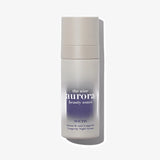
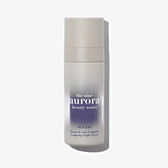
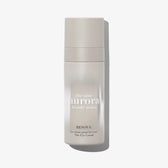
Noctis Longevity Night Serum
78.00 $
Silky night serum • 65 ingredients • 90% natural origin • nourishing overnight repair


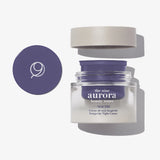
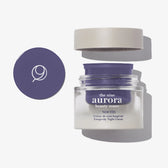
Noctis Longevity Night Cream
68.00 $
Powerful anti-aging cream overnight with argan oil, babassu, and Brazil nut for deep nourishment and elasticity.


Profunda The Treatment Mask
48.00 $
Kaolin + Japanese yuzu + rosehip brightening mask • 64 refined ingredients for detox, clarity & glow


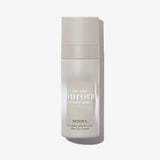
Renova The Eye Cream
69.00 $
Açaí + vitamin E brightening eye cream • 61 refined ingredients for dark circles, radiance & firmness


Lucis Protecting Day Serum
68.00 $
Niacinamide + hyaluronic acid + vitamin C brightening and firming day serum


Lucis Nurturing Day Cream
58.00 $
Açaí + seabuckthorn + camellia antioxidant day cream for daily protection


Noctis Longevity Night Serum
78.00 $
Silky night serum • 65 ingredients • 90% natural origin • nourishing overnight repair


Noctis Longevity Night Cream
68.00 $
Powerful anti-aging cream overnight with argan oil, babassu, and Brazil nut for deep nourishment and elasticity.


Profunda The Treatment Mask
48.00 $
Kaolin + Japanese yuzu + rosehip brightening mask • 64 refined ingredients for detox, clarity & glow


Renova The Eye Cream
69.00 $
Açaí + vitamin E brightening eye cream • 61 refined ingredients for dark circles, radiance & firmness


Lucis Protecting Day Serum
68.00 $
Niacinamide + hyaluronic acid + vitamin C brightening and firming day serum


Lucis Nurturing Day Cream
58.00 $
Açaí + seabuckthorn + camellia antioxidant day cream for daily protection
Every ingredient in our library serves one measure of success — skin longevity — the years skin keeps its strength, moisture and evenness.
Questions about vitamin c (derivatives)
What are vitamin C derivatives?
They are forms of vitamin C bonded to stabilising groups — in our formulas Sodium Ascorbyl Phosphate, Ascorbyl Palmitate and Ascorbyl Dipalmitate. The bond keeps the vitamin fresh in the formula; enzymes in the skin then release the active form exactly where it is needed.
Are vitamin C derivatives as effective as pure vitamin C?
Pure L-ascorbic acid is the fastest-acting form, but it is unstable and can sting. Derivatives trade a little immediacy for stability and gentleness, and in well-built formulas the visible results — brightness, evenness, antioxidant defense — are comparable for daily use.
What does vitamin C do for skin?
It is a benchmark antioxidant: it helps neutralise free radicals from UV exposure and pollution, supports the look of firmness and helps soften the look of dullness and uneven tone. With consistent use skin appears brighter, smoother and more luminous.
Is vitamin C good for sensitive skin?
The derivative forms are the sensitive-skin answer. Because they convert gradually on the skin, they are far less likely to cause the tingling associated with strong pure-acid serums, making daily vitamin C realistic even for reactive complexions.
Keep exploring