
























The Ingredient Library · Ingredient
Radish Root Ferment
Leuconostoc/Radish Root Ferment Filtrate
A kimchi-inspired ferment that keeps formulas fresh — gently, naturally.
| INCI name | Leuconostoc/Radish Root Ferment Filtrate |
|---|---|
| Type | Ferment filtrate — conditioning & preserving |
| Key benefit | Gentle, naturally preserved formulas |
| Suits | All skin types, including sensitive skin |
What is this
Radish Root Ferment
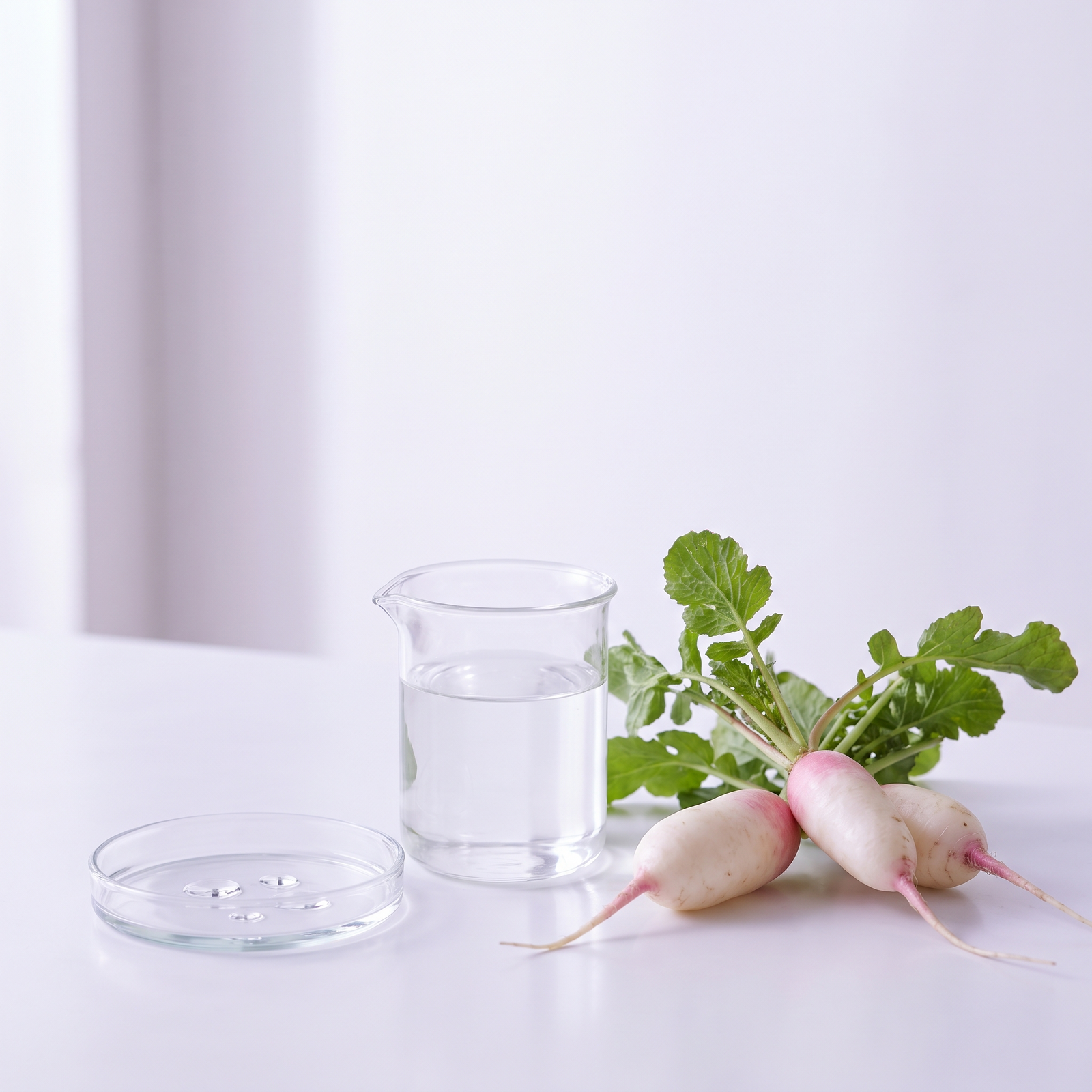
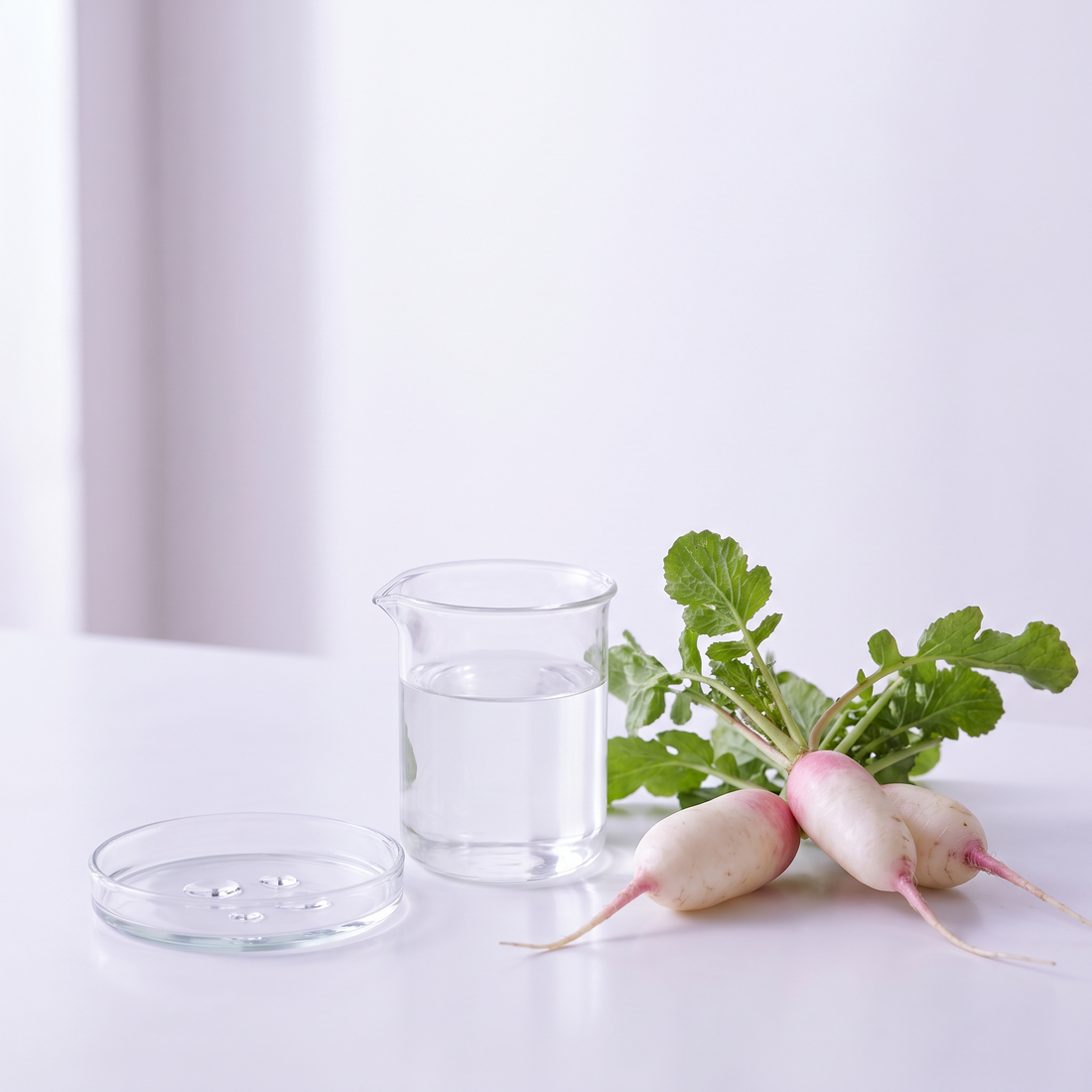
Leuconostoc/radish root ferment filtrate is a clear liquid obtained by fermenting radish roots with Leuconostoc kimchii, the lactic-acid culture traditionally used to make kimchi. In skincare it keeps formulas naturally fresh while lightly conditioning the skin, and it is well tolerated by all skin types.
In which products
Formulas with radish root ferment


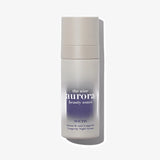
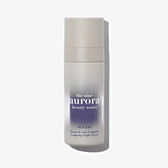
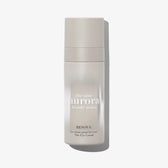
Noctis Longevity Night Serum
78.00 $
Silky night serum • 65 ingredients • 90% natural origin • nourishing overnight repair


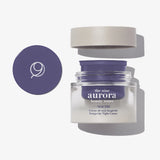
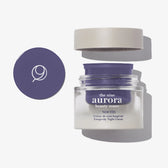
Noctis Longevity Night Cream
68.00 $
Powerful anti-aging cream overnight with argan oil, babassu, and Brazil nut for deep nourishment and elasticity.


Noctis Longevity Night Serum
78.00 $
Silky night serum • 65 ingredients • 90% natural origin • nourishing overnight repair


Noctis Longevity Night Cream
68.00 $
Powerful anti-aging cream overnight with argan oil, babassu, and Brazil nut for deep nourishment and elasticity.
Every ingredient in our library serves one measure of success — skin longevity — the years skin keeps its strength, moisture and evenness.
Questions about radish root ferment
What is Leuconostoc/radish root ferment filtrate?
It is a clear filtrate obtained by fermenting radish roots with Leuconostoc kimchii, the lactic-acid culture behind traditional kimchi. The fermentation yields naturally protective compounds, and the filtered result is used in skincare as a gentle, naturally derived way to keep formulas fresh.
Why is radish root ferment in skincare?
Primarily to protect the formula itself: the peptides produced during fermentation help inhibit microbial growth, allowing brands to reduce their reliance on conventional synthetic preservatives. It is a quiet, functional ingredient — there to keep a serum pristine from first use to last.
Is radish root ferment good for the skin itself?
Beyond preservation it offers light skin-conditioning and moisturizing properties, and it is considered friendly to the skin's natural balance. It is non-irritating and non-sensitizing for the vast majority of users, including those with sensitive skin.
Is fermented skincare more than a trend?
Fermentation is a genuinely useful tool: it can transform botanical materials into gentler, more stable or more functional forms. Radish root ferment is a good example — an age-old food technique, borrowed from kimchi-making, solving a modern formulation challenge naturally.
Keep exploring