


















The Ingredient Library · Ingredient
Shea Butter
Butyrospermum Parkii (Shea) Butter
West Africa's timeless butter — deep softness for skin that needs comfort.
| INCI name | Butyrospermum Parkii (Shea) Butter |
|---|---|
| Type | Plant butter — nourishing & softening |
| Key benefit | Deeply nourished, visibly softer skin |
| Suits | Dry, very dry and mature skin; well tolerated by most skin types |
What is this
Shea Butter
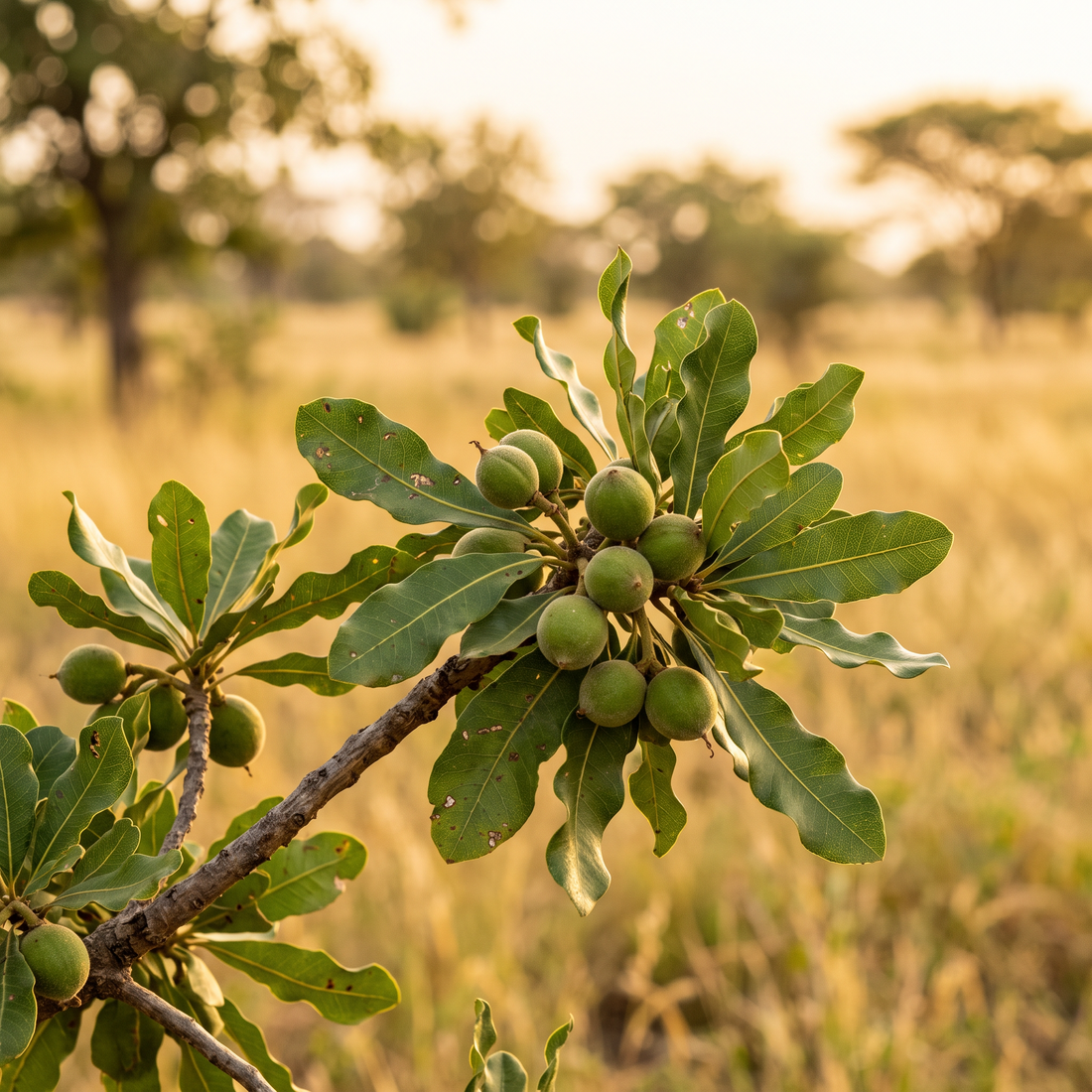
Shea butter is a rich plant butter from the nuts of Vitellaria paradoxa (INCI: Butyrospermum parkii), a tree of the West African savanna. Prized for centuries as a skin emollient, it is rich in fatty acids and unsaponifiables that help soften, smooth and visibly nourish skin.
In which products
Formulas with shea butter


Profunda The Treatment Mask
48.00 $
Kaolin + Japanese yuzu + rosehip brightening mask • 64 refined ingredients for detox, clarity & glow


Profunda The Treatment Mask
48.00 $
Kaolin + Japanese yuzu + rosehip brightening mask • 64 refined ingredients for detox, clarity & glow
Every ingredient in our library serves one measure of success — skin longevity — the years skin keeps its strength, moisture and evenness.
Questions about shea butter
What is shea butter?
Shea butter comes from the nuts of the shea tree, Vitellaria paradoxa, which grows wild across the West African savanna. The plum-like green fruits hold an oil-rich nut that is roasted and worked into butter — an emollient used for centuries in African skin and hair care.
Is shea butter good for your face?
In the right dose, yes. Shea softens, smooths and comforts, and its comedogenic rating is among the lowest of the plant butters. Rich, pure butter can feel heavy on oily skin, which is why we use it within a balanced mask formula rather than as a raw layer.
Does shea butter clog pores?
Shea butter itself has one of the lowest comedogenic ratings among plant butters, so for most people it does not. Very oily skin may prefer it in rinse-off or lighter formulations — the overall formula, and how much you use, matter more than the ingredient alone.
What makes shea butter so nourishing?
Its unusually high share of unsaponifiables — the precious non-oily fraction rich in triterpenes and vitamin E — alongside oleic and stearic fatty acids. Together they help support the skin barrier, so moisture stays in and skin feels supple, calm and comfortable.
Keep exploring