
























The Ingredient Library · Ingredient
Hyaluronic Acid
Sodium Hyaluronate
The skin's own moisture magnet — instant hydration and a visibly plumper look.
| INCI name | Sodium Hyaluronate |
|---|---|
| Type | Humectant — hydration & plumping look |
| Key benefit | Plumper, deeply hydrated-looking skin |
| Suits | All skin types, including sensitive and oily skin |

What is this
Hyaluronic Acid
Hyaluronic acid is a water-binding molecule found naturally in skin, where it helps maintain volume and hydration. In skincare it is used — most often as its stable salt, sodium hyaluronate — as a powerful humectant that can hold many times its weight in water, visibly plumping and smoothing the skin's surface.
In which products
Formulas with hyaluronic acid


Ionis Toning Mist
37.00 $
Hyaluronic acid + Japanese yuzu + prebiotics hydrating & brightening toning mist


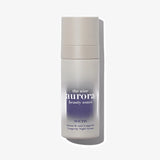
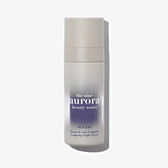
Noctis Longevity Night Serum
78.00 $
Silky night serum • 65 ingredients • 90% natural origin • nourishing overnight repair


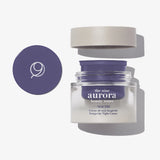
Noctis Longevity Night Cream
68.00 $
Powerful anti-aging cream overnight with argan oil, babassu, and Brazil nut for deep nourishment and elasticity.


Profunda The Treatment Mask
48.00 $
Kaolin + Japanese yuzu + rosehip brightening mask • 64 refined ingredients for detox, clarity & glow


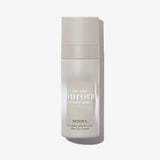
Renova The Eye Cream
69.00 $
Açaí + vitamin E brightening eye cream • 61 refined ingredients for dark circles, radiance & firmness


Lucis Protecting Day Serum
68.00 $
Niacinamide + hyaluronic acid + vitamin C brightening and firming day serum


Lucis Nurturing Day Cream
58.00 $
Açaí + seabuckthorn + camellia antioxidant day cream for daily protection


Ionis Toning Mist
37.00 $
Hyaluronic acid + Japanese yuzu + prebiotics hydrating & brightening toning mist


Noctis Longevity Night Serum
78.00 $
Silky night serum • 65 ingredients • 90% natural origin • nourishing overnight repair


Noctis Longevity Night Cream
68.00 $
Powerful anti-aging cream overnight with argan oil, babassu, and Brazil nut for deep nourishment and elasticity.


Profunda The Treatment Mask
48.00 $
Kaolin + Japanese yuzu + rosehip brightening mask • 64 refined ingredients for detox, clarity & glow


Renova The Eye Cream
69.00 $
Açaí + vitamin E brightening eye cream • 61 refined ingredients for dark circles, radiance & firmness


Lucis Protecting Day Serum
68.00 $
Niacinamide + hyaluronic acid + vitamin C brightening and firming day serum


Lucis Nurturing Day Cream
58.00 $
Açaí + seabuckthorn + camellia antioxidant day cream for daily protection
Every ingredient in our library serves one measure of success — skin longevity — the years skin keeps its strength, moisture and evenness.
Questions about hyaluronic acid
What does hyaluronic acid do for skin?
It hydrates — powerfully. Hyaluronic acid is a humectant that attracts and holds water, often cited as binding up to a thousand times its weight. On skin, that moisture visibly plumps, smooths fine lines and leaves the surface looking fresh, dewy and supple.
What is the difference between hyaluronic acid and sodium hyaluronate?
Sodium hyaluronate is the salt form of hyaluronic acid — more stable, with a smaller molecular weight that lets it reach the skin's upper layers rather than sitting only on the surface. Both hydrate; many formulas, including The Nine Aurora's, favour the salt for its reliability.
Can you use hyaluronic acid every day?
Yes. It is one of the gentlest actives in skincare and suits daily use, morning and night. It works best applied to slightly damp skin and layered under a cream, which helps seal the attracted moisture in place.
Is hyaluronic acid good for oily or sensitive skin?
Yes — it is water-based, oil-free and famously well tolerated. Oily skin gets weightless hydration without heaviness; sensitive skin gets moisture without common triggers. Reactions are rare, which is why it appears across nearly every category of skincare.
Does hyaluronic acid reduce wrinkles?
Cosmetically, it hydrates the skin so that fine dry lines look visibly plumped and softened while the skin is well moisturised. It works on how skin looks and feels — smoother, fuller, fresher — rather than changing the skin's structure.
Keep exploring