

















The Ingredient Library · Ingredient · Peloponnese, Greece
Mastic Gum
Pistacia Lentiscus (Mastic) Gum
The resin of the mastic tree — a plant-based ally for smoother, firmer-looking skin.
| INCI name | Pistacia Lentiscus (Mastic) Gum |
|---|---|
| Type | Plant resin — smoothing & rebalancing |
| Origin | Peloponnese, Greece |
| Key benefit | Visibly smoother, more even-looking skin |
| Suits | All skin types, including blemish-prone skin |
What is this
Mastic Gum
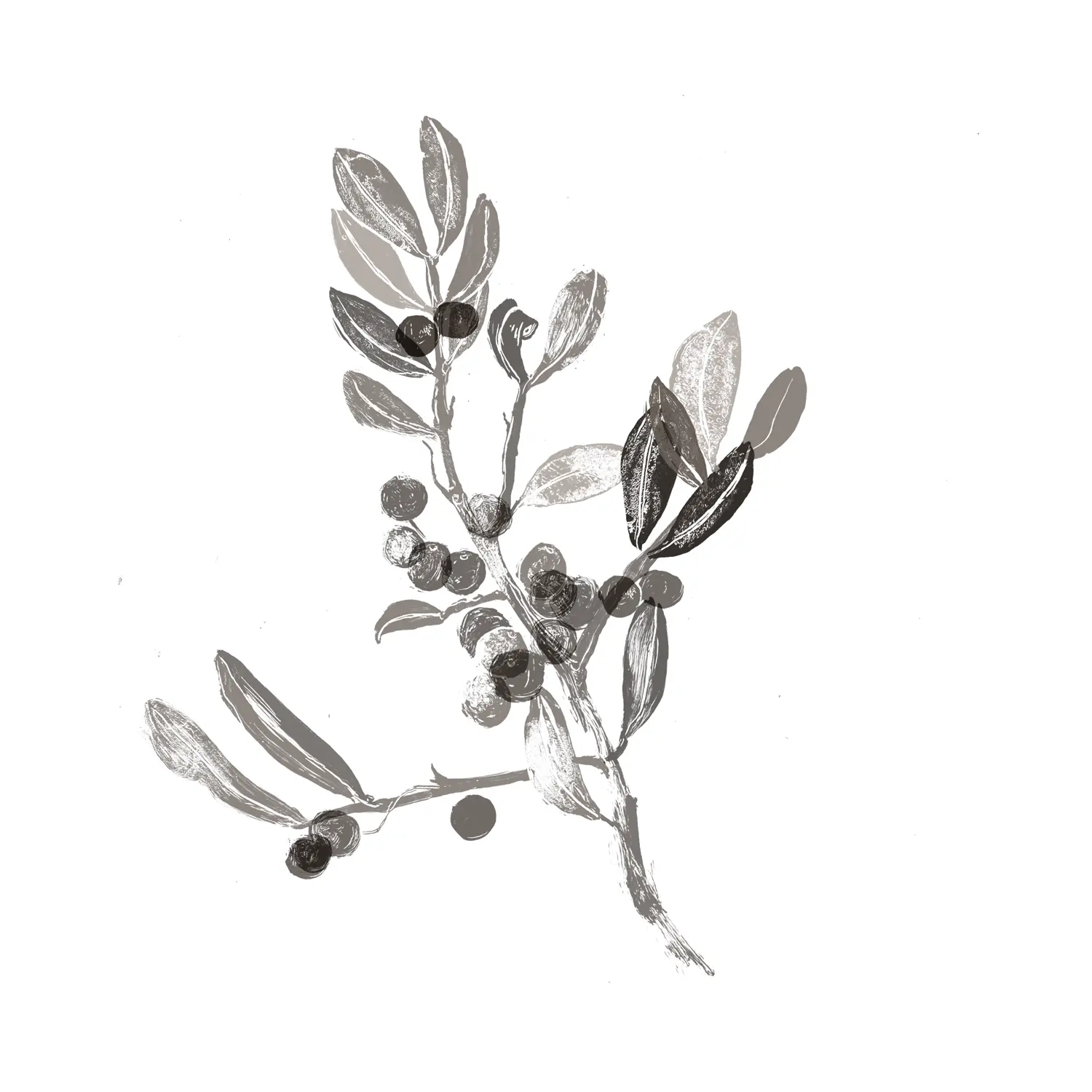
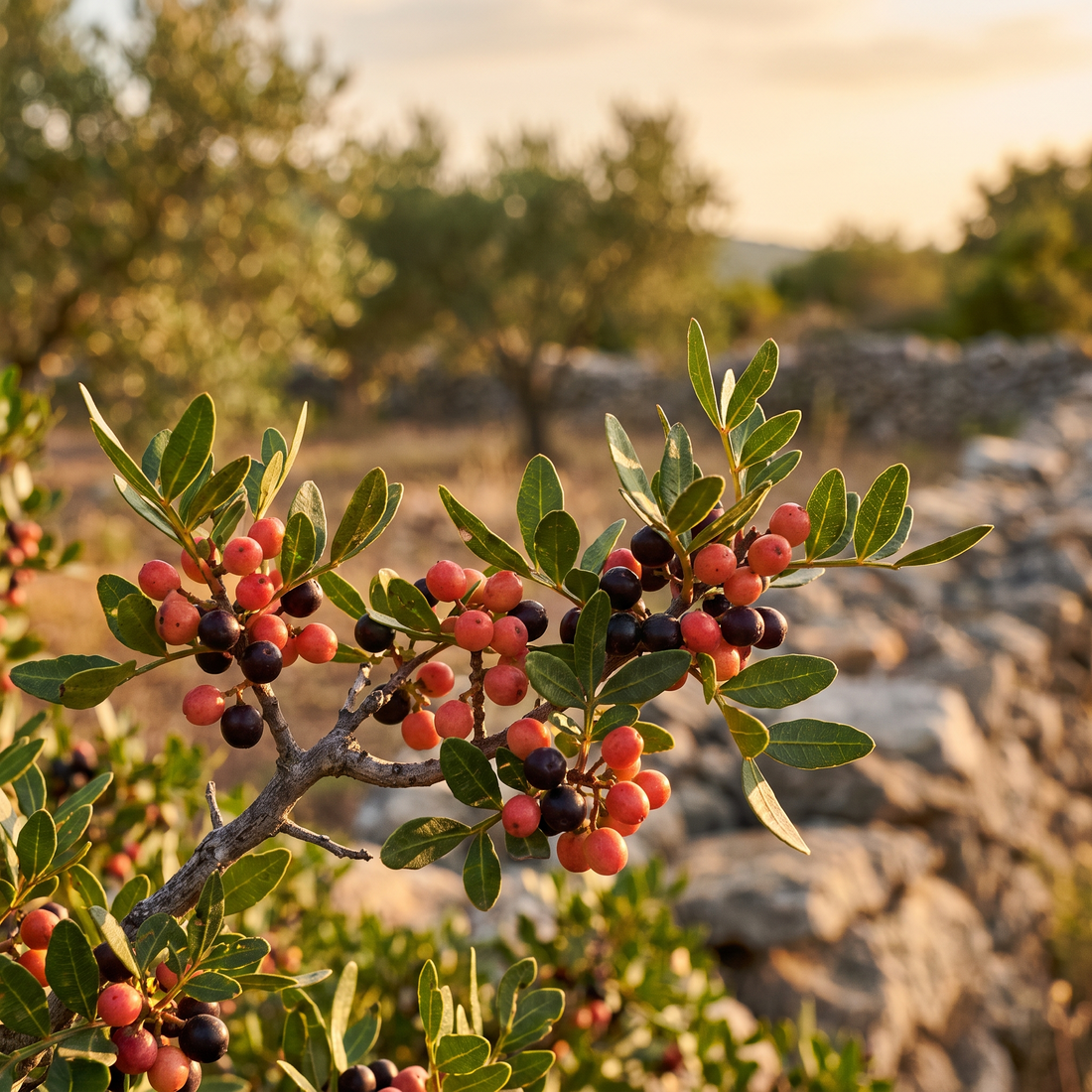
Mastic gum is the aromatic resin of Pistacia lentiscus, an evergreen shrub cultivated in Greece — most famously on the island of Chios. In skincare it is used as a plant-based smoothing and rebalancing active that helps skin look firmer, more refined and more even.

Where is it found
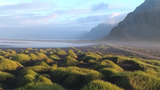
Peloponnese, Greece
In The Nine Aurora's Greek beauty zone, time is the first ingredient. Mastic has been cultivated here for centuries — the resin is still harvested drop by drop from the bark of Pistacia lentiscus, forming slow, pearl-like tears that are gathered by hand. It is a patient agriculture that mirrors how the Mediterranean approaches food, ritual and skin.
Discover Peloponnese, GreeceIn which products
Formulas with mastic gum


Ionis Toning Mist
37.00 $
Hyaluronic acid + Japanese yuzu + prebiotics hydrating & brightening toning mist


Noctis Night Deep Cleanser
39.00 $
Argan + Brazil Nut + babassu lipid-rich night cleanser for comfort and barrier support


Lucis Nurturing Day Cream
58.00 $
Açaí + seabuckthorn + camellia antioxidant day cream for daily protection


Photogena Facial Treatment Cleanser
38.00 $
Enzymatic complex + longevity botanicals for gentle, brightening daily cleansing


Noctis Longevity Night Cream
68.00 $
Powerful anti-aging cream overnight with argan oil, babassu, and Brazil nut for deep nourishment and elasticity.


Noctis Longevity Night Serum
78.00 $
Silky night serum • 65 ingredients • 90% natural origin • nourishing overnight repair


Lucis Protecting Day Serum
68.00 $
Niacinamide + hyaluronic acid + vitamin C brightening and firming day serum


Cleanser Duo
70.00 $
67 refined ingredients • 92–97% natural origin • deep cleansing, hydration & soothing care


Ionis Toning Mist
37.00 $
Hyaluronic acid + Japanese yuzu + prebiotics hydrating & brightening toning mist


Noctis Night Deep Cleanser
39.00 $
Argan + Brazil Nut + babassu lipid-rich night cleanser for comfort and barrier support


Lucis Nurturing Day Cream
58.00 $
Açaí + seabuckthorn + camellia antioxidant day cream for daily protection


Photogena Facial Treatment Cleanser
38.00 $
Enzymatic complex + longevity botanicals for gentle, brightening daily cleansing


Noctis Longevity Night Cream
68.00 $
Powerful anti-aging cream overnight with argan oil, babassu, and Brazil nut for deep nourishment and elasticity.


Noctis Longevity Night Serum
78.00 $
Silky night serum • 65 ingredients • 90% natural origin • nourishing overnight repair


Lucis Protecting Day Serum
68.00 $
Niacinamide + hyaluronic acid + vitamin C brightening and firming day serum


Cleanser Duo
70.00 $
67 refined ingredients • 92–97% natural origin • deep cleansing, hydration & soothing care
Every ingredient in our library serves one measure of success — skin longevity — the years skin keeps its strength, moisture and evenness.
Questions about mastic gum
What is mastic gum?
Mastic gum is the natural resin of Pistacia lentiscus, an evergreen shrub famously cultivated on the Greek island of Chios. The resin forms as slow, pearl-like droplets that are harvested by hand — prized around the Mediterranean for centuries and used today as a smoothing active in skincare.
What does mastic gum do for skin?
In cosmetics, mastic gum is used as a smoothing and rebalancing active. The Nine Aurora uses it to help visibly improve elasticity, refine skin texture and reduce the look of pores, imperfections and expression lines.
Is mastic gum good for oily or blemish-prone skin?
Yes — this is one of the reasons formulators value it. Thanks to its rebalancing and perfecting action it is particularly suitable for blemish-prone skin, helping the complexion look more even, refined and balanced rather than shiny.
Does mastic gum help with the look of wrinkles?
Mastic gum is valued in anti-aging formulations for helping to visibly improve skin elasticity and soften the appearance of expression lines. Like all cosmetics, it works on how skin looks and feels — smoother, firmer and more even with consistent use.
Is mastic gum a plant-based alternative to retinol?
In cosmetic formulation it is often described that way: a stable, well-tolerated botanical used to promote a smoother, more even-looking skin surface — supporting the look of skin quality over time.
Where does mastic gum come from?
From the bark of Pistacia lentiscus on Chios, Greece, where growers still score the branches and collect the slow-forming "tears" by hand. Chios mastic is so distinctive it holds an EU protected designation of origin.
Is this the same mastic gum people chew for their jawline?
It is the same natural resin — but a different use. Chewing mastic is a wellness trend; a 2024 study in the Journal of Oral Rehabilitation found months of regular gum-chewing did not change how the jawline looks. In skincare, mastic gum is applied topically, where it helps refine texture and support the look of firmness.
Keep exploring
Related ingredients
Sources
- CosIng — European Commission cosmetic ingredients database: Pistacia Lentiscus Gum
- Masticha Chiou — protected designation of origin (PDO) for Chios mastic, EU geographical indications register
- Skin Inc. — The Tightening & Clearing Powers of Mastic in Skin Care
- Science News — No, mastic gum won't reshape your jaw (2024 chewing-gum study)
Updated