






















The Ingredient Library · Ingredient
Butylene Glycol
A lightweight humectant that keeps textures elegant and skin hydrated.
| INCI name | Butylene Glycol |
|---|---|
| Type | Humectant — hydration & texture refinement |
| Key benefit | A smooth, lightly hydrated skin feel |
| Suits | All skin types, including combination skin |
What is this
Butylene Glycol
Butylene glycol is a small, water-loving molecule used widely in skincare as a humectant, solvent and texture enhancer. It helps draw moisture to the skin's surface, refines heavier formulas into elegant textures, and helps other ingredients dissolve and spread evenly across the skin.
In which products
Formulas with butylene glycol


Ionis Toning Mist
37.00 $
Hyaluronic acid + Japanese yuzu + prebiotics hydrating & brightening toning mist


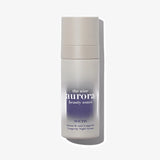
Noctis Longevity Night Serum
78.00 $
Silky night serum • 65 ingredients • 90% natural origin • nourishing overnight repair


Noctis Night Deep Cleanser
39.00 $
Argan + Brazil Nut + babassu lipid-rich night cleanser for comfort and barrier support


Noctis Longevity Night Cream
68.00 $
Powerful anti-aging cream overnight with argan oil, babassu, and Brazil nut for deep nourishment and elasticity.


Profunda The Treatment Mask
48.00 $
Kaolin + Japanese yuzu + rosehip brightening mask • 64 refined ingredients for detox, clarity & glow


Photogena Facial Treatment Cleanser
38.00 $
Enzymatic complex + longevity botanicals for gentle, brightening daily cleansing


Renova The Eye Cream
69.00 $
Açaí + vitamin E brightening eye cream • 61 refined ingredients for dark circles, radiance & firmness


Lucis Protecting Day Serum
68.00 $
Niacinamide + hyaluronic acid + vitamin C brightening and firming day serum


Ionis Toning Mist
37.00 $
Hyaluronic acid + Japanese yuzu + prebiotics hydrating & brightening toning mist


Noctis Longevity Night Serum
78.00 $
Silky night serum • 65 ingredients • 90% natural origin • nourishing overnight repair


Noctis Night Deep Cleanser
39.00 $
Argan + Brazil Nut + babassu lipid-rich night cleanser for comfort and barrier support


Noctis Longevity Night Cream
68.00 $
Powerful anti-aging cream overnight with argan oil, babassu, and Brazil nut for deep nourishment and elasticity.


Profunda The Treatment Mask
48.00 $
Kaolin + Japanese yuzu + rosehip brightening mask • 64 refined ingredients for detox, clarity & glow


Photogena Facial Treatment Cleanser
38.00 $
Enzymatic complex + longevity botanicals for gentle, brightening daily cleansing


Renova The Eye Cream
69.00 $
Açaí + vitamin E brightening eye cream • 61 refined ingredients for dark circles, radiance & firmness


Lucis Protecting Day Serum
68.00 $
Niacinamide + hyaluronic acid + vitamin C brightening and firming day serum
Every ingredient in our library serves one measure of success — skin longevity — the years skin keeps its strength, moisture and evenness.
Questions about butylene glycol
What does butylene glycol do in skincare?
It is a humectant, solvent and texture enhancer. Butylene glycol draws moisture toward the skin's surface, helps active ingredients dissolve and spread evenly, and gives serums and creams a light, elegant, non-sticky glide — one of the quiet workhorses of modern formulation.
Is butylene glycol safe for skin?
Yes — the Cosmetic Ingredient Review panel concluded it is safe as used in cosmetics, and independent assessments rate it very low-hazard. It is generally well tolerated; those with very sensitive skin can patch test new formulas as a sensible habit.
Does butylene glycol clog pores?
It is generally considered non-comedogenic. As a small, water-soluble molecule it does not form an occlusive film, so it is unlikely to block pores. Individual experiences vary, but for most skin — including combination skin — it is a lightweight, breathable hydrator.
Why is butylene glycol in so many products?
Because it quietly improves almost everything: stability, texture, spread and hydration. It lets formulators keep textures light while ensuring actives stay evenly dissolved — which is why it appears across serums, creams and cleansers, always at modest concentrations.
Keep exploring