Alice Suen, Strategic Advisor, Business Development in the Beauty Industry
The Art of Skin Longevity: A Journey Beyond Anti-Aging
In many cultures across Asia, aging isn’t a battle to be fought, but a journey to be approached with grace and vitality. This is not a futuristic dream, but a philosophy that has shaped beauty rituals for generations and is now quietly redefining how the global industry thinks about age. Skin longevity has become a profound shift, moving beyond the fleeting desire for immediate youth to a more meaningful question: how can we empower our skin to remain steady, comfortable, and luminous for decades to come?
Across Asia, the most enduring approaches to this question share a common thread: they treat skin as something to be trained and supported over time, not simply transformed on demand. Whether expressed through meticulous multi-step routines or more restrained, minimalist rituals, the emphasis is on prevention, barrier health, and daily consistency, with botanicals and lifestyle often playing as important a role as any procedure.

The Science and Scale of a Global Movement
This philosophy is no longer a niche concept; it is a global movement with significant scale. Skincare now represents an estimated 40% of the global beauty market, a testament to the rising importance of skin health [1]. The anti-aging and longevity-focused segment alone is estimated at $52-56 billion USD in 2023-2024 and projected to reach between $80 and $108 billion USD by 2030-2033 [2] [3].
This growth is fueled by a more discerning consumer who demands tangible results. A single before-and-after photo is no longer enough. Research demonstrates that aging-associated alterations in epidermal function—including barrier dysfunction, pH elevation, and chronic low-grade inflammation (inflammaging)—have significant clinical implications [4]. Brands are now expected to provide clinical data demonstrating measurable improvements in these key markers over time. These findings have given rise to emerging clinical frameworks like "Skinspan™," which prioritize maintaining the skin's healthspan through root-cause interventions—targeting cellular senescence, mitochondrial dysfunction, and chronic inflammation—rather than surface-level correction [5].

Asia-Pacific: Where Prevention is Cultural Norm
Longevity has been central to many Asia-Pacific beauty cultures long before it became a global beauty conversation. In many countries, prevention and ritual are built into how people think about skin—from the first cleanser they buy to how they treat sun, diet, and stress. Across the region, anti-aging and skincare categories are growing at mid-single-digit rates each year, driven by city living, pollution, and aging populations from Tokyo to Seoul to Singapore.
Japan is a clear reference point. Life expectancy is among the highest in the world—about 87.14 years for women and 81.09 years for men as of 2023—and the country has one of the most mature anti-aging markets. Daily, non-invasive care remains the foundation, and many consumers are now combining well-known rituals with dermocosmetic information and, in some segments, AI-based skin analysis. With 36.25 million citizens over 65, Japan offers a generational perspective on skin longevity—where decades of consistent, preventive skincare have shaped consumer expectations and continue to drive innovation while maintaining the philosophy of steady, incremental care [6].
Yet this commitment to skin longevity extends beyond Japan’s borders. Across Asia-Pacific, from the tea fields of Japan to the mountains of Nepal, distinct regional practices have evolved to address how skin ages in specific environments. These two regions—Shizuoka and Nepal’s Himalayan valleys—stand out for their depth of traditional practice, measurable longevity outcomes, and the clarity with which they demonstrate a fundamental principle: that geography, climate, and generations of careful observation shape the most effective approaches to skin aging.

Lessons from Longevity Cultures
Shizuoka, Japan: Tea, Water, and Thoughtful Care
In Shizuoka, a region with a centuries-long tea heritage, there is an immediate sense of order and quiet focus. The morning mist over the tea fields and the evening steam from onsen baths create a setting where water, temperature, and light are deeply respected—details that are intrinsically linked to skin health.
-
The Ritual: Daily routines are built on gentle, deliberate steps: a careful two-phase cleanse, a softening lotion, and layers of hydration. Sunscreen is not a seasonal afterthought but a daily essential.
-
The Botanical: Green tea, rich in polyphenols, is the cornerstone of Shizuoka skincare and has been refined through centuries of cultivation. Its documented antioxidant and anti-inflammatory effects help the skin cope with environmental stress, a key factor in premature aging [7]. Recent peer-reviewed research on Japanese subjects has shown that skin aging follows measurable patterns—including changes in pigmentation, wrinkles, and radiance—that are influenced by lifestyle factors, including sun protection, cardiovascular health, and stress management [8].
- The Lifestyle: This ritual is supported by a lifestyle that embraces mineral-rich onsen water, which peer-reviewed research associates with reduced inflammation and improved skin barrier function, simple facial massage to boost circulation, and a diet rich in fermented foods. It is a culture of “steady upkeep” rather than dramatic overhauls.
Himalayan Valleys, Nepal: Thin Air, Strong Plants
Higher up, in the Himalayan valleys of Nepal, the environment is uncompromising. The air is thinner, the sun more direct, and the nights are cold and dry. Here, traditional care is born from practicality and the need for protection.
-
The Ritual: Locals use rice water for a soft polish, honey and chickpea flour for cleansing, and potent plant oils to shield the skin from the unforgiving altitude and exposure.
-
The Botanical: Himalayan plants like white tea (Camellia sinensis), moringa oleifera, and jatamansi (Nardostachys jatamansi) [9] thrive in high-altitude conditions, developing dense antioxidant and stress-response systems to withstand high UV and freezing temperatures. White tea is particularly rich in polyphenols and has been clinically shown to protect collagen and elastin while improving skin elasticity, benefits that align with the plant’s adaptations to environmental stress. Moringa supports collagen production and calms inflammation, while jatamansi provides restorative, grounding properties. Together, these roots and herbs possess the antioxidant, calming, and regenerative qualities—exactly what modern formulators seek for longevity-focused skincare.
- The Science: These rituals are often part of a wider framework of Ayurveda-informed therapies. In Ayurvedic tradition, skin is viewed as a visible reflection of overall health and lifestyle—a philosophy that aligns with emerging research demonstrating that lifestyle factors including diet, stress, and sleep quality significantly impact skin aging through measurable mechanisms including inflammation modulation, oxidative stress reduction, and barrier function maintenance [4]. Himalayan healers have understood for millennia what contemporary research now confirms: traditional plants including turmeric, jatamansi, and moringa demonstrate measurable antioxidant, anti-aging, and protective properties—validation for centuries of empirical observation.

The Wisdom We Can Apply
What Shizuoka and Nepal demonstrate is a principle that runs counter to modern beauty culture: that the most powerful care is often the simplest, the most local, the most patient with time.
Skin longevity is built through consistency, through trust in what grows near you, through understanding that aging is not an enemy but a natural process worth supporting with intention. Recent dermatological studies have shown that skin aging follows distinct regional patterns—meaning different populations age differently and thus benefit from approaches developed within their own environments.
The future of beauty is not a revolution. It is a return to what has always worked: the wisdom of place, the science of observation, and the patience of time.
Long live the skin. And long live the wisdom that teaches it how to endure.
Why Shizuoka and the Himalayan Valleys are part of the Nine Aurora Beauty Zones
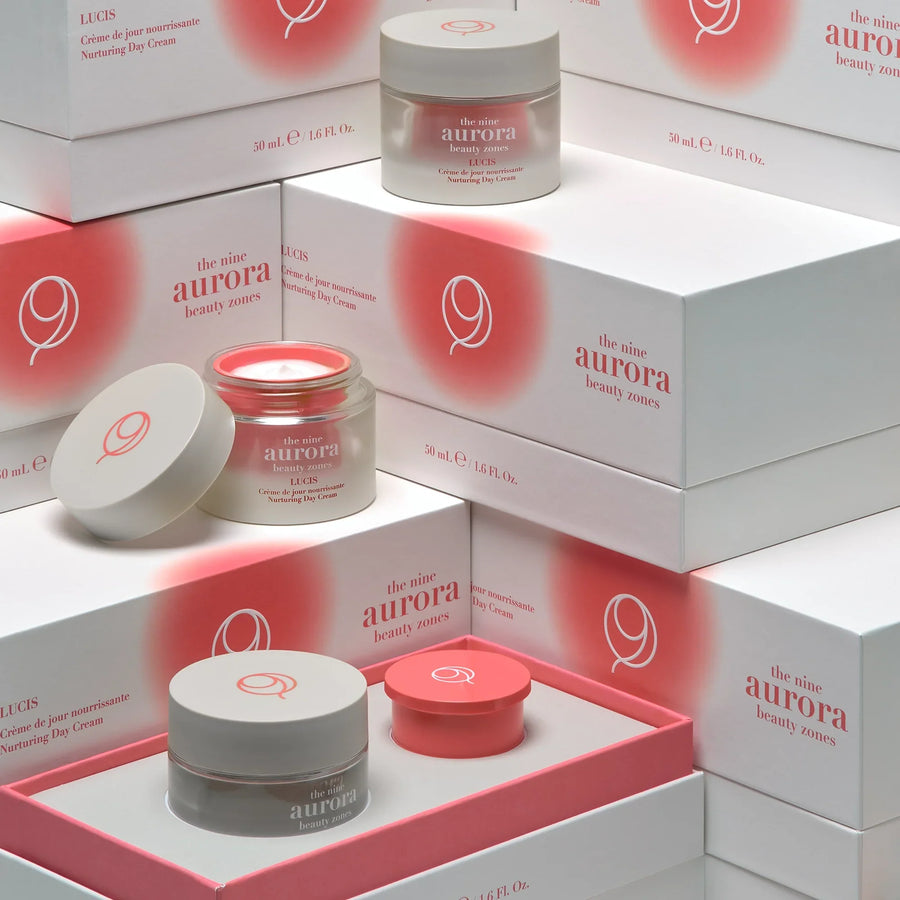
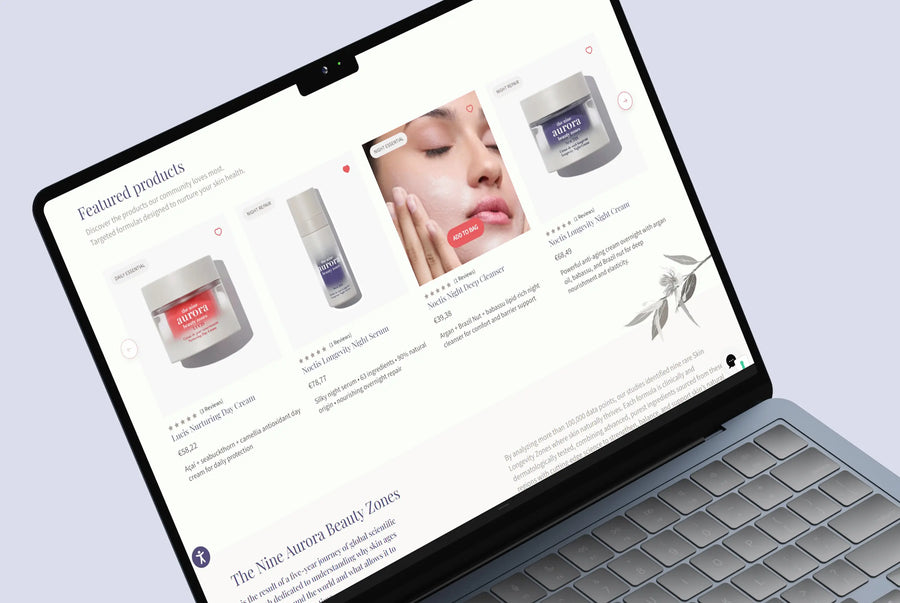
Shizuoka, Japan, and the Himalayan valleys of Nepal are part of the Nine Aurora Beauty Zones because they represent two complementary models of skin longevity shaped by extreme yet opposite conditions. In Shizuoka, generations of daily, preventive care—supported by antioxidant-rich botanicals, mineral-balanced water, and disciplined sun protection—have fostered long-term skin balance, even tone, and barrier integrity. In the Himalayas, skin resilience is forged under high-altitude stress, intense UV exposure, and dry climates, where native plants evolved powerful protective and regenerative properties. Together, these regions reveal a fundamental truth at the heart of the Nine Aurora Longevity System: skin longevity emerges not from a single ingredient or place, but from the intelligent combination of prevention and protection, discipline and resilience, calm and repair—principles that define the Nine Aurora Beauty Zones.
Reference
[1] A Close Look at the Global Beauty Industry in 2025 — McKinsey & Company. https://www.mckinsey.com/industries/consumer-packaged-goods/our-insights/a-close-look-at-the-global-beauty-industry-in-2025
[2] Anti-Aging Products Market Size, Share & Trends Analysis Report. Grand View Research. 2024. https://www.grandviewresearch.com/industry-analysis/anti-aging-products-market
[3] Anti Aging Products Market by Product Type, End User, and Distribution Channel: Global Opportunity Analysis and Industry Forecast, 2024-2033. Allied Market Research. 2024. https://www.alliedmarketresearch.com/anti-aging-products-market-A06331
[4] Wang Z, Man MQ, Li T, Elias PM, Mauro TM. Aging-associated alterations in epidermal function and their clinical significance. Aging (Albany NY). 2020;12(6):5551-5565. https://pmc.ncbi.nlm.nih.gov/articles/PMC7138575/
[5] Wyles SP, et al. Skinspan™: A Healthy Longevity Framework for Skin Aging. Mayo Clinic Proceedings. 2025 Oct. doi: 10.1016/j.mayocp.2025.07.027. https://pubmed.ncbi.nlm.nih.gov/41032001/
[6] World Economic Forum. How Japan’s longevity economy is creating new opportunities. https://www.weforum.org/stories/2025/09/japans-longevity-economy/
[7] Protective Mechanisms of Green Tea Polyphenols in Skin — PMC/NIH. https://pmc.ncbi.nlm.nih.gov/articles/PMC3390139/
[8] Risk factors associated with higher skin age relative to chronological age in community-dwelling middle-aged Japanese adults — Nature. https://www.nature.com/articles/s41598-025-29647-2
[9] Nardostachys jatamansi (D.Don) DC.: An Invaluable and Constantly Explored Plant — Science Direct. https://www.sciencedirect.com/science/article/pii/S0254629920310280